


 English
 Español
Looking forward to your message
Our factory was established in 2006
-
 Mobile/Whats app/Wechat: +86-18761594570 ( Miss. Jenny Chen )
-
 E-mail: [email protected]
POF Shrink Wrap: A Comprehensive Guide to Polyolefin Film
1. Introduction to POF Shrink Wrap
What is POF Shrink Wrap?
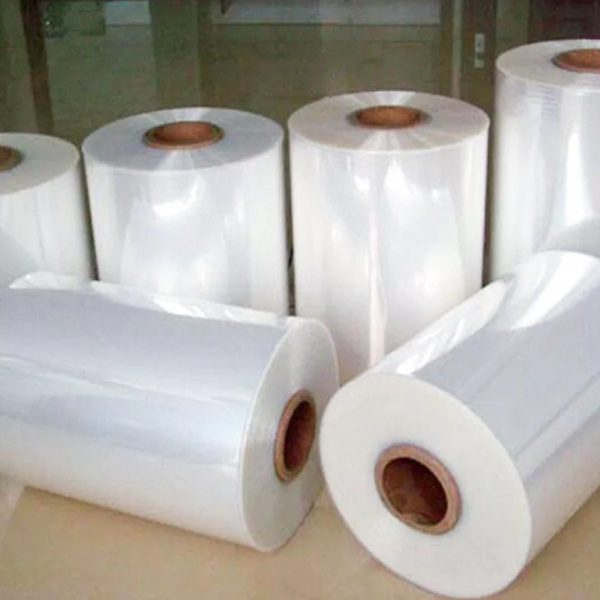
POF Shrink Wrap, or Polyolefin shrink film, is a highly versatile and widely used packaging material made from a blend of polypropylene and polyethylene. It is known for its excellent performance in wrapping and protecting a wide range of products, offering a secure and durable outer layer that ensures safety, presentation, and product integrity. When heat is applied, POF shrink wrap tightly conforms to the shape of the product, creating a sleek, tamper-evident seal that enhances both the aesthetics and protection of the packaged goods.
POF is often favored over other shrink films due to its exceptional combination of strength, clarity, and flexibility. It can be used in various industries, ranging from food packaging to pharmaceuticals, making it a go-to choice for businesses looking for reliable, high-quality wrapping solutions.
Brief History and Development of POF Shrink Wrap
The development of POF shrink wrap dates back to the late 20th century when packaging technology began advancing rapidly. The initial use of polyolefin films in packaging was driven by the growing demand for a more durable, user-friendly, and environmentally safer alternative to PVC (polyvinyl chloride) shrink films. POF was developed as a non-toxic, more eco-friendly material that offered superior mechanical properties such as higher tensile strength, puncture resistance, and better heat stability.
Over the years, technological advancements in manufacturing processes, such as the development of co-extrusion technology, allowed POF shrink wrap to offer even greater performance. Today, POF shrink wrap is produced using state-of-the-art machinery, allowing for precise control over film thickness, strength, and flexibility, making it suitable for a wide variety of applications.
The combination of durability, flexibility, and clarity has made POF shrink wrap a preferred choice in industries such as food and beverage, retail, pharmaceuticals, and electronics packaging. Moreover, its recyclability and environmental benefits have positioned it as a sustainable alternative to PVC-based films, further enhancing its appeal in modern-day packaging solutions.
2. Benefits of Using POF Shrink Wrap
POF shrink wrap is widely regarded for its unique combination of attributes that make it an excellent choice for packaging. Below are some of the key benefits that make it a preferred option for both businesses and consumers.
Durability and Strength Compared to Other Shrink Films
One of the standout features of POF shrink wrap is its exceptional durability and strength. Unlike other shrink films such as PVC or polyethylene, POF offers superior resistance to tears, punctures, and abrasions, making it ideal for wrapping products that need added protection. This enhanced strength ensures that your products remain secure throughout the supply chain, reducing the risk of damage during transport or handling.
The robust nature of POF shrink wrap also translates to long-lasting protection for products exposed to external elements. Whether it's moisture, dust, or rough handling, POF shrink wrap acts as a protective barrier, ensuring the integrity of the product within.
Excellent Clarity and Glossy Appearance
Another major advantage of POF shrink wrap is its exceptional clarity. When applied, the film provides a glossy, high-quality finish that enhances the visual appeal of the packaged products. This makes it ideal for retail packaging, where presentation is key to attracting customers.
Its transparency ensures that the product inside the package is visible, allowing for better branding, advertising, and consumer confidence. Products wrapped in POF shrink wrap appear polished and professionally presented, making them stand out on shelves and creating a premium look.
Versatility for Various Product Shapes and Sizes
POF shrink wrap is extremely versatile when it comes to wrapping different types of products. Whether the items are irregularly shaped or come in various sizes, POF shrink film can easily conform to the shape of the product, ensuring a snug, tight fit. This makes it suitable for packaging everything from small consumer goods to large industrial items.
Because POF can shrink to fit a wide range of shapes and sizes, it is perfect for bundling and multi-packing, enabling businesses to group multiple products together into one compact package. This versatility helps reduce the need for excessive packaging material, lowering costs and promoting efficient use of resources.
Cost-Effectiveness and Material Efficiency
POF shrink wrap is a cost-effective option for packaging, especially when compared to other alternatives like PVC shrink films. Not only is the material itself more affordable, but its high strength-to-thickness ratio means that a thinner gauge of POF can still offer the same level of protection as thicker films. This results in material efficiency, reducing waste while keeping packaging costs low.
In addition, POF's ability to shrink tightly without excessive material waste further contributes to its cost-effectiveness. The film’s precise shrinkage properties ensure that the right amount of material is used, optimizing both cost and performance.
Recyclability and Environmental Considerations
As concerns about the environmental impact of packaging grow, POF shrink wrap stands out for its recyclability. Unlike PVC, which poses significant challenges in terms of disposal and recycling, POF is polyolefin-based, meaning it can be easily recycled in existing systems. Many manufacturers and consumers opt for POF shrink wrap because it offers a more environmentally friendly alternative to traditional shrink films.
In addition, POF films are free of chlorine and non-toxic, making them safer for both the environment and consumers. As sustainability becomes a key factor in consumer decisions, the eco-friendly nature of POF provides a strong selling point.
Other Key Properties
High Tensile Strength: POF offers exceptional tensile strength, which means it can withstand stress during the packaging process without breaking or tearing.
Puncture Resistance: The film resists punctures or tears, making it ideal for protecting delicate items, especially in industrial or high-traffic environments.
Secure Seal: POF shrink wrap provides a strong, tamper-evident seal, ensuring the product remains protected until it reaches the consumer.
3. Applications of POF Shrink Wrap
POF shrink wrap is incredibly versatile, making it suitable for a wide range of industries and applications. Below are some of the most common sectors where POF shrink wrap is used, highlighting its adaptability and effectiveness in protecting and presenting products.
Food and Beverage Packaging
POF shrink wrap is a popular choice in the food and beverage industry due to its ability to keep products fresh while providing an attractive presentation. It’s often used to wrap individual items like bottles, cans, and snack packs, as well as to bundle multiple products together. The excellent clarity of POF makes it ideal for showcasing the product's contents, while its secure seal ensures that the items stay hygienic and tamper-evident.
Furthermore, POF's high puncture resistance makes it a great choice for packaging items that may have sharp edges or need extra protection during shipping and handling.
Cosmetics and Personal Care Products
In the cosmetics and personal care industry, product appearance is crucial for attracting customers. POF shrink wrap enhances the visual appeal of items like bottles, jars, and boxes, providing a glossy, transparent finish that highlights the product’s design and branding.
POF shrink wrap’s ability to tightly conform to various shapes, including irregularly shaped containers, is particularly beneficial in this sector. It also offers tamper-evident packaging, ensuring that consumers receive products in their original, unaltered condition. Whether it's skincare, makeup, or haircare products, POF is a perfect choice for ensuring quality and presentation.
Pharmaceuticals and Healthcare Items
The pharmaceutical and healthcare industries require high standards for product safety and security, and POF shrink wrap meets these demands. It is often used to package over-the-counter medications, medical devices, and health-related products, offering both tamper-evident and protective properties.
POF’s ability to provide a secure, tight seal helps prevent contamination, keeping products safe and hygienic. Additionally, POF is non-toxic, making it a safer alternative for packaging healthcare items. The material's clarity ensures that labels and instructions are visible, which is especially important in the healthcare sector.
Consumer Goods and Retail Packaging
For consumer goods and retail packaging, POF shrink wrap offers a cost-effective, high-quality solution that improves product presentation. Whether it’s electronics, toys, books, or household items, POF provides a protective barrier that also enhances the visual appeal of the product on store shelves.
The ability to shrink the film tightly around various product shapes—while maintaining a glossy, clear finish—makes POF a favorite among retailers. It can also be used for multi-packing and bundling, allowing retailers to group multiple items together in one package, making them more attractive and convenient for customers.
Industrial and Hardware Products
In the industrial and hardware sectors, POF shrink wrap is often used to package and protect heavy-duty products like tools, machinery parts, and equipment. Its puncture resistance and durability ensure that products remain intact during shipping and handling, preventing damage from environmental factors such as dust, dirt, or moisture.
POF shrink wrap is particularly beneficial for packaging items with sharp edges or irregular shapes, providing a tight, secure wrap that keeps them safe and stable. It is also commonly used in pallet wrapping to bundle large shipments, offering protection and ease of handling.
Multi-Packing and Bundling
POF shrink wrap excels in multi-packing and bundling, which are essential for grouping products together in an attractive and secure manner. Whether it's multiple cans of soda, bottles of cleaning supplies, or sets of tools, POF tightly bundles these products without adding excessive bulk. The film holds the items together while still allowing for a clear view of the products inside, which is key for retail environments.
Tamper-Evident Packaging
Tamper-evident packaging is critical in many industries, especially food, pharmaceuticals, and consumer goods. POF shrink wrap provides an excellent tamper-evident solution. Once the shrink wrap is applied and sealed, any attempt to open the packaging will leave visible signs of damage, ensuring that consumers can easily detect if a product has been compromised.
4. Types of POF Shrink Wrap
POF shrink wrap comes in different varieties, each offering unique benefits depending on the intended application. Understanding the differences between these types can help you choose the best option for your packaging needs.
Cross-linked POF
Cross-linked POF shrink wrap is a type of polyolefin film that undergoes a special treatment during the manufacturing process, where the polymer chains are chemically bonded. This creates a network of interconnected molecules that give the film enhanced properties.
Advantages: Cross-linked POF films offer superior strength, tear resistance, and puncture resistance. They also tend to shrink more evenly and at a faster rate, which results in a more consistent and tight fit around the product. This type of film is ideal for high-performance applications where extra durability and high-quality seals are required.
Specific Uses: Cross-linked POF is often used in packaging products that require high resilience, such as electronics, industrial goods, food packaging, and heavy-duty products. It's particularly effective for multi-packing and bundling, where the strength and tightness of the wrap are crucial.
Non-cross-linked POF
Non-cross-linked POF shrink wrap is produced without the cross-linking process, resulting in a more standard polyolefin film. While it may not offer the extreme strength of cross-linked POF, it is still a highly durable and versatile material.
Advantages: Non-cross-linked POF films are more flexible and less brittle than cross-linked versions. They tend to be more affordable and offer sufficient performance for general packaging purposes. They also have good clarity and aesthetic appeal while providing excellent seal strength.
Specific Uses: Non-cross-linked POF shrink wrap is suitable for a wide range of applications, such as cosmetic packaging, consumer goods, single-product wrapping, and retail packaging. It's particularly beneficial when a high-quality finish is desired but extreme durability is not critical.
Different Gauges and Thicknesses
POF shrink wrap is available in a range of gauges (thicknesses), which can significantly affect its performance. The right gauge selection depends on the product’s size, weight, and the type of protection needed.
Light Gauges: Lighter gauges (typically around 40-50 microns) are suitable for smaller, lighter products that don’t require as much protection. These are often used in cosmetic and retail packaging.
Heavy Gauges: Heavier gauges (70 microns and above) are used for more substantial products, offering greater puncture resistance and strength. These are ideal for industrial goods, multi-packing, and bulk packaging where extra durability is needed.
The gauge selection should be based on the product’s weight, fragility, and shipping conditions to ensure the film performs optimally.
Centerfolded vs Single Wound
POF shrink wrap can be produced in either a centerfolded or single-wound form, each offering specific advantages depending on the application.
Centerfolded POF: This type of shrink wrap is folded in the center, making it easier to wrap products from both sides at once. The film opens up into a tube when the fold is opened, which is ideal for wrapping larger products quickly and efficiently.
Advantages: Centerfolded POF is convenient for high-speed packaging lines and is commonly used for wrapping boxes, pallets, and large items. It is ideal for both manual and automated wrapping applications.
Specific Uses: Common in high-volume retail and industrial packaging where speed and ease of use are key. It’s perfect for products of all sizes that require an efficient, snug wrap.
Single Wound POF: Single-wound POF film is wound into a roll with the film’s edges aligned, meaning it’s ready to be fed into a shrink wrap machine without the need to open up a folded film tube. This is typically used in machines that require the film to be unrolled from one side.
Advantages: Single wound film is generally better for custom-sized wraps and products with specific packaging needs. It allows for greater flexibility in choosing the film’s size and shape.
Specific Uses: Ideal for use with automated machines that have precise requirements for shrink wrap size and form. Single-wound films are often used for custom packaging solutions or high-end product wraps that need a tailored fit.
5. How to Choose the Right POF Shrink Wrap
Choosing the right POF shrink wrap is essential to ensure optimal product protection, presentation, and cost-effectiveness. The ideal film depends on various factors including the type of product, the packaging process, and the specific requirements of your business. Below are the key factors to consider when selecting POF shrink wrap for your packaging needs.
Factors to Consider: Product Size, Shape, and Weight
One of the most important considerations when selecting POF shrink wrap is the size, shape, and weight of the product being packaged. These factors will dictate the gauge, type, and form of the shrink film needed.
Product Size: Larger products may require thicker or wider films to provide the necessary protection and coverage. For small items, thinner films may suffice to ensure a snug fit without excess material.
Product Shape: Irregularly shaped items may benefit from POF shrink wrap’s versatility, as it can shrink to conform to unique shapes without gaps or wrinkles. In contrast, uniformly shaped products like bottles or boxes will require less specialized film.
Product Weight: Heavier products, such as industrial tools or equipment, require a thicker and more durable film, while lightweight consumer goods can be wrapped with thinner, more flexible films.
Gauge Selection Based on Product Requirements
POF shrink wrap is available in a range of gauges (thicknesses), and selecting the appropriate gauge is critical for ensuring the right balance between cost and protection.
Lighter Gauges (40-50 microns): Ideal for smaller, lighter products such as cosmetic items, books, or single consumer goods. Lighter gauges offer excellent clarity and flexibility without adding unnecessary bulk.
Mid-Range Gauges (60-70 microns): These are the most versatile and widely used gauges, suitable for a broad range of applications. They provide good strength and protection while maintaining material efficiency, making them ideal for general-purpose packaging.
Heavier Gauges (70 microns and above): Heavier gauges are designed for larger and heavier items, offering enhanced puncture resistance and strength. They are well-suited for packaging industrial products, multi-packs, and bulk items that require extra durability.
When selecting the gauge, consider the balance between product protection and cost-efficiency to avoid using more material than necessary.
Considering the Sealing and Shrinking Equipment
The type of sealing and shrinking equipment used in the packaging process plays an important role in determining which POF shrink wrap to choose.
Manual or Semi-Automatic Machines: For small to medium-sized operations, manual or semi-automatic shrink wrap machines are commonly used. These machines are typically more adaptable, able to handle different film types (centerfolded or single-wound), and are perfect for businesses with lower volumes of production.
Automatic Machines: Larger businesses or high-volume packaging operations will benefit from fully automatic shrink wrapping machines, which require a more consistent and tailored film. These machines are designed for high-speed operations and often work best with centerfolded POF shrink wrap for faster application and efficiency.
When choosing your POF shrink wrap, consider the compatibility of the film with the equipment you are using to ensure a smooth wrapping and sealing process.
Understanding Temperature and Shrink Ratios
Each type of POF shrink film has its specific shrink ratio, which refers to how much the film will shrink when exposed to heat. Generally, POF shrink films have a shrinkage ratio of about 30-40%, but this can vary depending on the film's type (cross-linked vs. non-cross-linked) and the product being wrapped.
Shrinkage Requirements: If your product requires a very tight and conforming wrap, you may need a POF shrink film with a higher shrink ratio. Conversely, if you need a looser wrap or are packaging delicate items that shouldn’t be subjected to excessive heat, you might prefer a film with a lower shrink ratio.
Temperature Considerations: Ensure the POF shrink film you select is compatible with your heat source. Different films may require slightly different temperatures to shrink effectively. If your packaging machine operates at a specific temperature, make sure the film can shrink properly at that setting to avoid inconsistent results.
Printability Needs
Another important factor in choosing POF shrink wrap is whether you need printed packaging for branding or product information. Many POF films can be customized with logos, product information, or other designs.
Print Compatibility: Ensure the POF shrink wrap you select is suitable for the printing method you plan to use, whether it's flexographic printing, digital printing, or rotogravure. Some films are specifically designed to hold ink better, while others may require special treatments to improve print adhesion.
Aesthetic Considerations: If branding and consumer appeal are a priority, you may want to opt for POF shrink wrap that offers excellent clarity and glossiness to enhance the product's presentation. Printed shrink films are particularly popular in the food and beverage, cosmetics, and retail sectors.
6. How to Use POF Shrink Wrap
Using POF shrink wrap involves several steps, from wrapping your product to sealing and shrinking the film. The process can vary depending on the equipment used, but generally follows a simple sequence that ensures a tight, secure, and professional finish. Below are the steps and tools involved in using POF shrink wrap effectively.
Shrink Wrap Machines
Shrink wrap machines are designed to automatically or manually wrap the product in POF shrink film and apply heat to shrink the film around the item. There are different types of shrink wrap machines based on production volume, ranging from manual to fully automated systems.
Manual Shrink Wrap Machines: These are typically smaller and used for low-volume packaging. They require the operator to place the product inside the shrink wrap, then manually seal the film and apply heat using a heat gun or tunnel.
Semi-Automatic Shrink Wrap Machines: These machines provide a balance between manual and fully automated systems. They often involve the use of a conveyor belt and a heat tunnel that automatically shrinks the film once the product is placed inside.
Fully Automatic Shrink Wrap Machines: Designed for high-volume production, these machines automatically wrap and seal products at high speeds. They are typically used for large-scale packaging operations and can handle various product shapes and sizes efficiently.
Choosing the Right Machine: When selecting a shrink wrap machine, ensure that it is compatible with the type of POF film you are using (centerfolded or single-wound), as well as the size and shape of the products you're packaging. Automatic machines are ideal for businesses with high production volumes, while manual or semi-automatic machines are more suited for small to medium-sized businesses.
Heat Guns
Heat guns are a versatile tool used for shrinking POF shrink wrap in smaller production settings. A heat gun applies direct heat to the shrink film, causing it to shrink tightly around the product.
How to Use: Hold the heat gun at a safe distance (typically 2-4 inches) from the wrapped product, moving it around evenly to ensure uniform shrinking. Start at one edge and slowly move the heat gun around the product, making sure the film shrinks evenly without overheating any one area.
Tip: Make sure to avoid holding the heat gun too close to the film, as this can cause the film to burn or melt. Consistent movement is key to achieving a smooth, tight shrink without any imperfections.
Sealing
The sealing process involves creating a secure bond at the edges of the shrink wrap to ensure that it holds the product firmly in place. Depending on the type of shrink wrap machine you are using, the sealing process can be either manual or automatic.
Manual Sealing: If you're using a manual shrink wrap machine, you’ll need to place the product in the center of the POF film and fold the edges over the product. Use a sealing bar or impulse sealer to apply heat to the edges of the film, creating a strong seal. The sealed edges will create a “pouch” that will shrink around the product once heated.
Automatic Sealing: With automatic machines, the sealing process is typically integrated into the machine, which automatically folds and seals the edges of the film around the product. This method ensures that the seal is consistent and reliable across large volumes of products.
Tips for a Perfect Seal:
Ensure the film is taut before sealing to prevent air pockets.
Use the correct sealing temperature for the specific POF film to ensure a strong bond.
Always check the seal before moving on to the shrinking process to ensure there are no gaps or weak spots.
Cutting
Once the product is sealed, the excess film around the product needs to be trimmed. Cutting is important because it helps to eliminate unnecessary film, ensuring a clean and professional look.
How to Cut: After sealing the product, use a heat cutter or sharp scissors to remove any excess film, leaving a small margin (usually about 1 inch) around the sealed edge to allow for the shrinkage process.
Tip: Make sure that the cutting tool is sharp and used carefully to avoid jagged or uneven edges that could affect the final appearance of the shrink-wrapped product.
Shrinking
The final step in the process is the shrinking of the POF shrink film. This step ensures the film tightly conforms to the shape of the product, providing a smooth, polished finish.
Heat Tunnel Method: In an automated setup, the product moves through a heat tunnel that evenly applies heat to the POF shrink wrap, causing it to shrink tightly around the product. Heat tunnels are efficient and provide consistent results for large batches of products.
Heat Gun Method: For smaller batches or custom packaging, a heat gun can be used to shrink the film. Carefully move the heat gun around the wrapped product, ensuring the film shrinks evenly. Be cautious not to overheat the film, as this can cause it to burn or shrink unevenly.
Key Tips for Shrinking:
Ensure the heat is applied evenly to avoid wrinkles or bubbles.
Maintain the correct distance between the heat source and the product to prevent overheating.
Allow the product to cool before handling to ensure the shrink wrap hardens properly and maintains its tight fit.
7. POF Shrink Wrap Machines
Choosing the right shrink wrap machine is a critical decision for businesses that rely on POF shrink wrap for packaging. The right machine will ensure efficient, consistent, and high-quality results, whether you're wrapping small batches or handling large-scale production. Below, we’ll discuss the types of shrink wrap machines, how to select the correct machine for your needs, and the different machine options available.
Types of Shrink Wrap Machines
There are several types of shrink wrap machines, each designed to cater to different production volumes, types of products, and specific requirements. Here’s a breakdown of the most common types:
Manual Shrink Wrap Machines:
Description: Manual shrink wrap machines are typically the most affordable option for small businesses or low-volume operations. In these machines, the operator manually places the product in the shrink film, seals the edges, and then uses a heat source, like a heat gun or a small heat tunnel, to shrink the film around the product.
Best for: Small businesses, custom packaging, and low-volume production.
Advantages: Cost-effective, compact, and easy to use for small batches.
Limitations: Slow production speed and requires more manual labor.
Semi-Automatic Shrink Wrap Machines:
Description: Semi-automatic machines offer a blend of manual operation and automation. The operator feeds the product and film into the machine, but the sealing and shrinking processes are automated, improving speed and consistency. These machines are equipped with a heat tunnel that automatically shrinks the film once the product is sealed.
Best for: Medium-sized businesses with moderate production volumes.
Advantages: Faster than manual machines, more consistent results, and reduces labor costs.
Limitations: Requires a moderate investment and more space than manual machines.
Automatic Shrink Wrap Machines:
Description: Automatic shrink wrap machines are fully automated systems designed for high-volume production. These machines automatically load the product, wrap it in POF shrink film, seal the edges, and move it through a heat tunnel for shrinking, all without any manual intervention.
Best for: High-volume businesses with continuous packaging needs.
Advantages: Fast, efficient, minimal labor required, and consistent high-quality results.
Limitations: Higher initial investment, requires more space, and may not be suitable for all types of products.
L-Sealers and Shrink Tunnels:
Description: L-sealers are specialized machines that create a “L” shape around the product by sealing the film before it is passed through a shrink tunnel for shrinking. These machines are designed for efficiency and can handle a variety of products.
Best for: Mid-to-high-volume production lines where quick and consistent sealing is required.
Advantages: Speed, consistency, and ease of use.
Limitations: Larger footprint and higher cost compared to semi-automatic machines.
How to Select the Correct Machine
When selecting a shrink wrap machine for your POF shrink film, several factors should be considered to ensure you choose the right one for your specific needs. Here are the key points to keep in mind:
Production Volume:
For low-volume production, a manual shrink wrap machine may be sufficient.
For medium volumes, a semi-automatic shrink wrap machine will provide greater speed and consistency.
For high-volume production, an automatic shrink wrap machine is ideal to maximize efficiency and minimize manual labor.
Product Type and Size:
Consider the size and shape of your products. Some machines may be better suited for larger, bulkier items, while others are designed for smaller, more delicate products.
For irregularly shaped products or those with sharp edges, choose a machine that can handle non-standard shapes and ensure a tight, secure wrap.
Packaging Speed:
Evaluate how quickly you need to package items. Faster machines, like automatic L-sealers, can keep up with high-demand production lines, while slower, manual machines may work for businesses that don’t require rapid production rates.
Budget and Space:
The size and cost of the machine will vary depending on its capabilities. Manual and semi-automatic machines are more affordable and require less space, whereas automatic machines tend to be larger and more expensive but offer higher efficiency and output.
Determine the amount of space available in your production area before choosing a machine. Some automatic machines can take up a lot of floor space, while manual machines require significantly less.
Film Type:
Ensure that the machine you select is compatible with centerfolded or single-wound POF shrink film, depending on your specific needs. Most machines will work with both, but it’s always best to verify before purchasing.
Entry-Level Machines
For businesses that are just starting or need a simple solution for low-volume packaging, entry-level shrink wrap machines are a great choice. These machines are designed to be user-friendly, easy to set up, and affordable, making them perfect for small batches or limited product lines.
Features: These machines typically come with basic features such as manual sealing and a heat gun or small heat tunnel. They may be semi-automatic, with an easy-to-operate control panel and minimal maintenance requirements.
Best For: Small businesses, startups, or low-volume operations that require occasional shrink wrapping.
Example: A manual L-sealer with a heat tunnel or a small tabletop shrink wrap machine would be a good entry-level option.
Commercial Use Machines
Commercial-use shrink wrap machines are designed for businesses with higher production volumes. These machines provide greater speed, consistency, and durability, making them suitable for larger-scale operations in industries such as food packaging, electronics, and retail packaging.
Features: These machines typically offer advanced features like automated film feed, adjustable sealing temperatures, and programmable settings for different product types. They often include a larger heat tunnel for faster shrinking and can be used for continuous, high-speed production.
Best For: Mid-to-large businesses or those with high-volume packaging needs.
Example: A fully automated shrink wrap machine with a conveyor belt and integrated heat tunnel is ideal for businesses that require speed and precision.
Recommended Products
Contact Us
Want To Know More?

- E-mail: [email protected]
- Phone: +86-18761594570 ( Miss. Jenny Chen )
- WhatsApp: +86-18761594570
- Address : No. 58-2, Panlongshan Road, Shanguan Town, Jiangyin City, Jiangsu Province, China
Product Categories
Follow Us
Copyright © 2025 by Jiangyin Guanghong Packing Materials Co., Ltd. Rights Reserved.
 POF Shrink Film Manufacturers