


 English
 Español
Looking forward to your message
Our factory was established in 2006
-
 Mobile/Whats app/Wechat: +86-18761594570 ( Miss. Jenny Chen )
-
 E-mail: [email protected]
Is Polyolefin Plastic Wrap really safer than PVC plastic wrap?
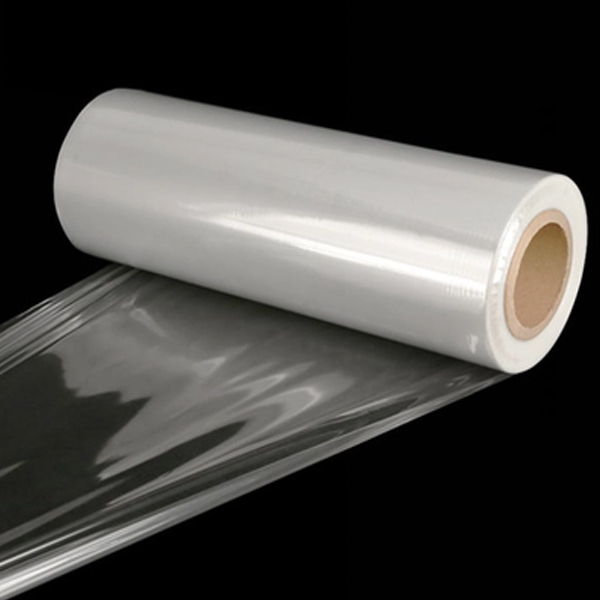
When it comes to packaging and wrapping materials, few products are as common as plastic wrap. For decades, PVC (polyvinyl chloride) plastic wrap has dominated the market due to its stretchability and ability to tightly seal items. However, in recent years, polyolefin (POF) plastic wrap has become an increasingly popular alternative. One of the most frequently asked questions is whether polyolefin plastic wrap is truly safer than PVC plastic wrap — both for human health and for the environment. Let’s take a closer look.
Content
1. Chemical Composition and Safety
The biggest difference between polyolefin and PVC wrap lies in their chemical makeup.
- PVC is made from vinyl chloride monomers, which require plasticizers (such as DEHA or phthalates) to make the material flexible. These additives can sometimes migrate into food, especially when exposed to heat, oil, or long storage times. This migration has raised safety concerns over the years, particularly in food packaging applications.
- Polyolefin, on the other hand, is made from simple hydrocarbons — mainly polyethylene (PE) and polypropylene (PP). These are considered non-toxic, odorless, and safe for direct food contact. Polyolefin films typically do not contain plasticizers or chlorine-based chemicals, meaning there is no risk of releasing harmful gases or residues during use or disposal.
From a food safety perspective, polyolefin clearly has an advantage. It is compliant with most international food contact safety regulations, including those from the FDA (U.S. Food and Drug Administration) and EU standards.
2. Environmental Impact
Another key factor when evaluating “safety” is how the material affects the environment.
- PVC contains chlorine, which can create toxic compounds (like dioxins) during incineration or improper disposal. These byproducts are harmful to both human health and ecosystems.
- Polyolefin, in contrast, is a chlorine-free polymer. When burned or decomposed, it does not produce dioxins or other halogenated compounds. It’s also recyclable and often used in #4 (LDPE) or #5 (PP) recycling streams, depending on its formulation.
While neither material is biodegradable, polyolefin’s simpler chemical structure makes it more environmentally friendly and easier to process in recycling systems. Many companies have switched to polyolefin packaging as part of their sustainability initiatives.
3. Performance and Practical Use
Safety is not only about chemical composition — it also includes performance stability. A wrap that breaks down or contaminates products can pose indirect risks.
Polyolefin plastic wrap offers several advantages in this regard:
- No odor or residue: Unlike PVC, which can sometimes emit a chemical smell, POF films are clean and neutral.
- Wide temperature resistance: Polyolefin can be used safely for freezing or heating applications without releasing toxic substances.
- Excellent shrink properties: POF shrink film provides tight, glossy, and durable packaging that protects products from dust, moisture, and tampering.
PVC, while effective for many uses, tends to become brittle in cold environments and may emit fumes when heated during sealing or shrinking. This makes polyolefin a safer and more versatile option for a variety of industries — from food and beverages to cosmetics, pharmaceuticals, and retail packaging.
4. Workplace and Consumer Health
The health impact of plastic wraps extends beyond the end user — it also affects the workers who handle or process them. During the sealing process, PVC films can release hydrogen chloride and other harmful vapors if overheated. Continuous exposure can cause irritation to the eyes, nose, and respiratory system.
Polyolefin films, however, do not emit chlorine-based fumes when heated or sealed. This makes them safer to handle in packaging facilities and more suitable for automated shrink-wrapping operations where consistent high temperatures are used.
For consumers, the absence of chemical odor, chlorine, and plasticizers means lower risk of contamination, especially when wrapping fresh produce, meats, or baked goods.
5. Cost and Market Adoption
A few years ago, PVC film was still the cheaper option, which kept it dominant in the market. However, advancements in polyolefin film production have reduced the cost gap significantly. Today, many global brands, supermarkets, and packaging suppliers have moved away from PVC in favor of polyolefin films to meet stricter safety and sustainability standards.
Major food and retail chains now prefer polyolefin-based shrink wrap for product packaging because it aligns with eco-friendly policies and offers cleaner, safer performance without compromising on clarity or strength.
6. Final Verdict
So, is polyolefin plastic wrap really safer than PVC?
The answer is yes — in most cases, absolutely. Polyolefin offers a non-toxic, odorless, and environmentally friendlier alternative with excellent performance and compliance with modern safety regulations. While PVC may still be used in certain industrial applications due to its cost or specific mechanical properties, polyolefin has clearly become the preferred choice for food packaging, consumer goods, and sustainable manufacturing.
In short, switching from PVC to polyolefin isn’t just a market trend — it’s a responsible step toward healthier, cleaner, and more sustainable packaging practices.
Recommended Products
Contact Us
Want To Know More?

- E-mail: [email protected]
- Phone: +86-18761594570 ( Miss. Jenny Chen )
- WhatsApp: +86-18761594570
- Address : No. 58-2, Panlongshan Road, Shanguan Town, Jiangyin City, Jiangsu Province, China
Product Categories
Follow Us
Copyright © 2025 by Jiangyin Guanghong Packing Materials Co., Ltd. Rights Reserved.
 POF Shrink Film Manufacturers