


 English
 Español
Looking forward to your message
Our factory was established in 2006
-
 Mobile/Whats app/Wechat: +86-18761594570 ( Miss. Jenny Chen )
-
 E-mail: [email protected]
Practical Guide to Polyolefin Plastic Wrap: Usage, Benefits, and Tips
Content
What is Polyolefin Plastic Wrap?
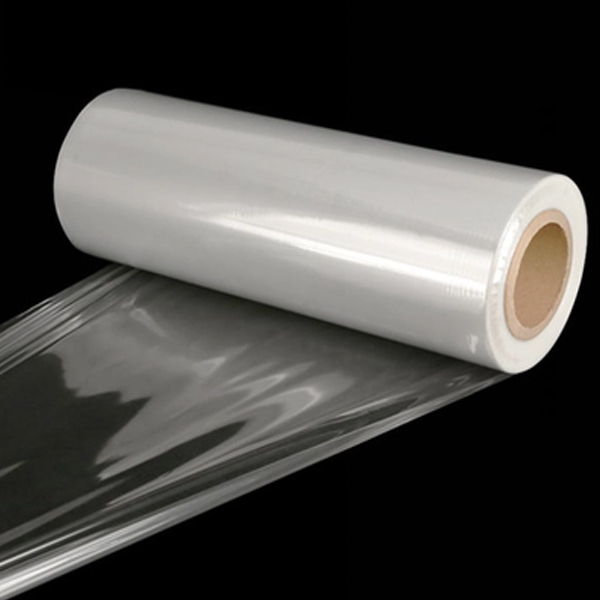
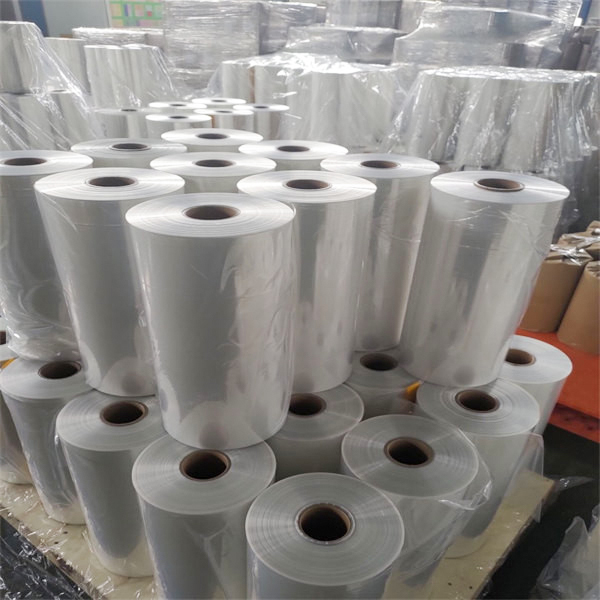
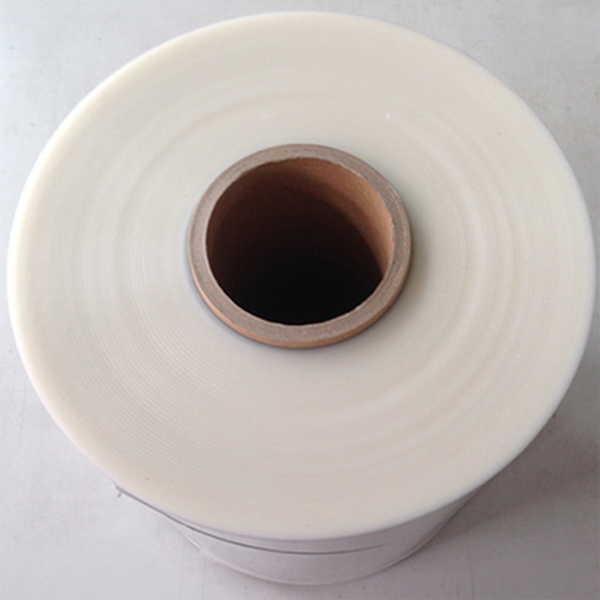
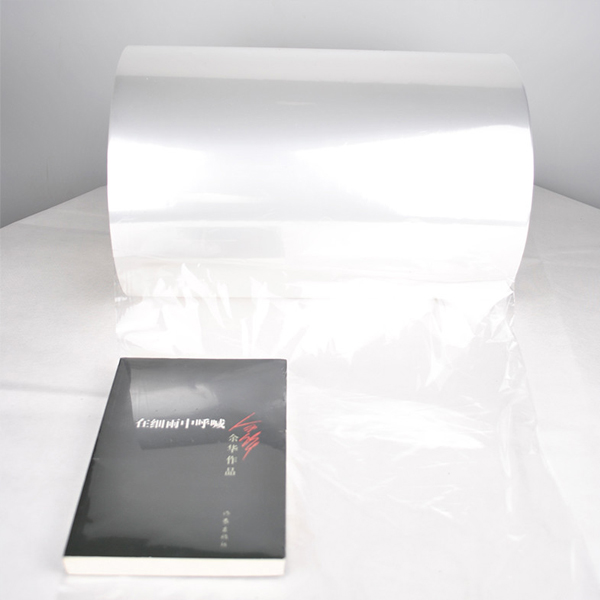
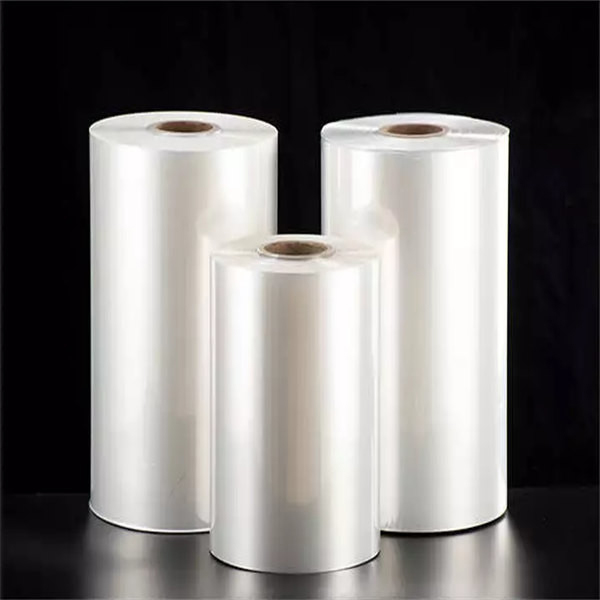
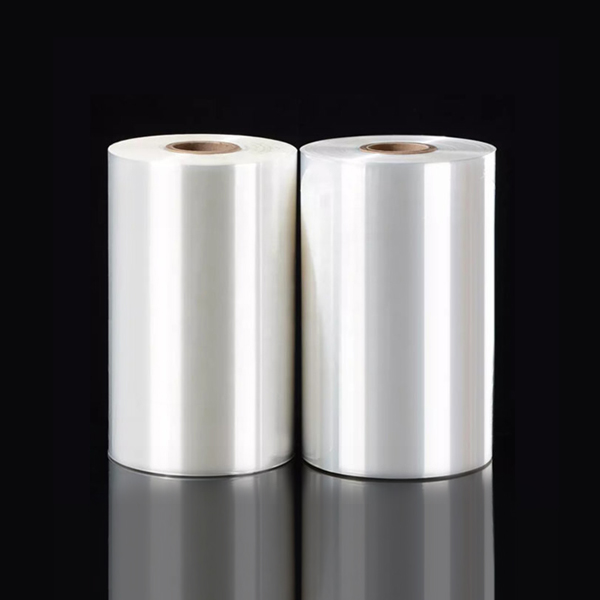
Polyolefin plastic wrap is a type of food-grade film made primarily from polyethylene (PE) or polypropylene (PP). It is widely used in kitchens, restaurants, and food packaging industries due to its high transparency, strong tensile strength, excellent elasticity, and resistance to moisture and oils. Unlike PVC wraps, polyolefin wraps are generally safer for food contact and easier to recycle.
Key Benefits of Polyolefin Plastic Wrap
Understanding the advantages of polyolefin plastic wrap helps consumers and businesses make informed choices. Key benefits include:
- High Transparency: Allows easy visual inspection of food without unwrapping.
- Strong Tensile Strength: Resistant to tearing during wrapping or storage.
- Safe for Food Contact: Free from harmful plasticizers commonly found in PVC wraps.
- Stretchable and Clingy: Ensures a tight seal around containers or food items.
- Temperature Resistant: Suitable for refrigeration, freezing, and brief microwave use.
Practical Uses in Food Storage
Polyolefin plastic wrap is versatile and can be used in various food storage scenarios. Common applications include:
- Covering bowls and plates to prevent contamination or odors.
- Wrapping sandwiches, fruits, or vegetables for short-term storage or transport.
- Sealing prepared meals for refrigeration or freezing to extend shelf life.
- Protecting baked goods from drying out while maintaining freshness.
Selection Tips for Polyolefin Plastic Wrap
Choosing the right polyolefin wrap can impact convenience, safety, and preservation quality. Consider the following factors:
Thickness
Polyolefin wraps come in various thicknesses, typically measured in microns. Thicker films offer better puncture resistance and longer shelf-life protection, while thinner films are more flexible and easier to stretch.
Cling and Stretch
Good cling ensures a tight seal on different surfaces. Stretchability allows the wrap to conform to irregular shapes, reducing air pockets that can accelerate food spoilage.
Safety and Certification
Always check for food-grade certification, such as FDA approval or EU standards compliance, to ensure the wrap is free from harmful chemicals and safe for direct food contact.
Proper Storage and Handling
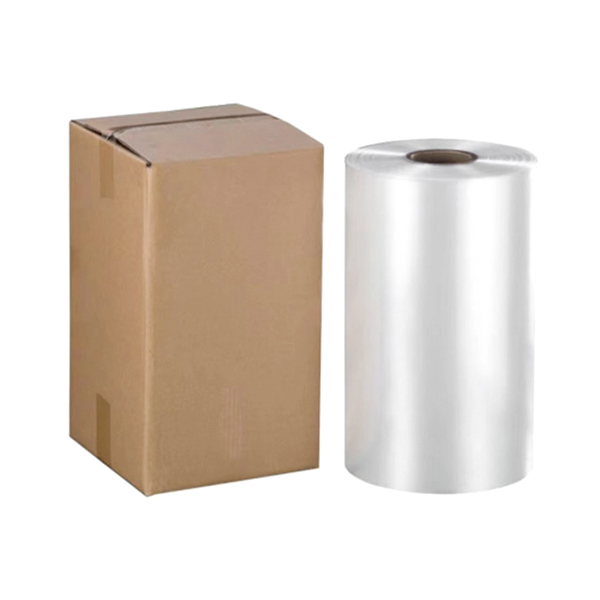
To maintain quality and effectiveness, polyolefin plastic wrap should be stored in a cool, dry place away from direct sunlight. Avoid exposing the roll to high heat, which can compromise cling and elasticity. For convenience, consider keeping the wrap in a dispenser box to reduce waste and improve cutting accuracy.
Tips for Maximizing Food Freshness
Proper wrapping technique enhances the performance of polyolefin wrap and extends food freshness:
- Wrap foods tightly to minimize air exposure.
- Use separate wraps for raw and cooked foods to prevent cross-contamination.
- Label wrapped items with date and content for better inventory management.
- Avoid over-stretching, which can reduce cling performance over time.
Recommended Products
Contact Us
Want To Know More?

- E-mail: [email protected]
- Phone: +86-18761594570 ( Miss. Jenny Chen )
- WhatsApp: +86-18761594570
- Address : No. 58-2, Panlongshan Road, Shanguan Town, Jiangyin City, Jiangsu Province, China
Product Categories
Follow Us
Copyright © 2025 by Jiangyin Guanghong Packing Materials Co., Ltd. Rights Reserved.
 POF Shrink Film Manufacturers