


 English
 Español
Looking forward to your message
Our factory was established in 2006
-
 Mobile/Whats app/Wechat: +86-18761594570 ( Miss. Jenny Chen )
-
 E-mail: [email protected]
POF Heat Shrink Film: Benefits, Applications & Selection Guide
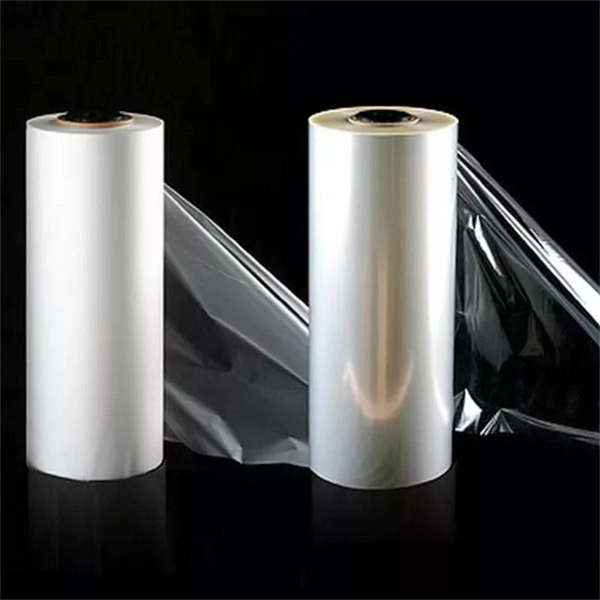
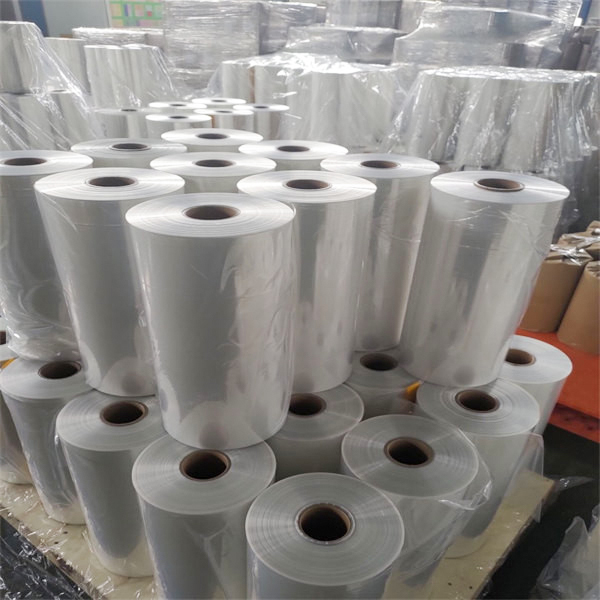
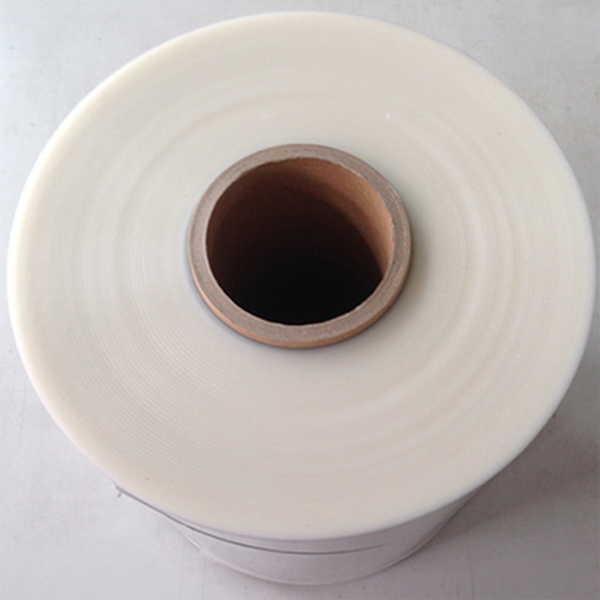
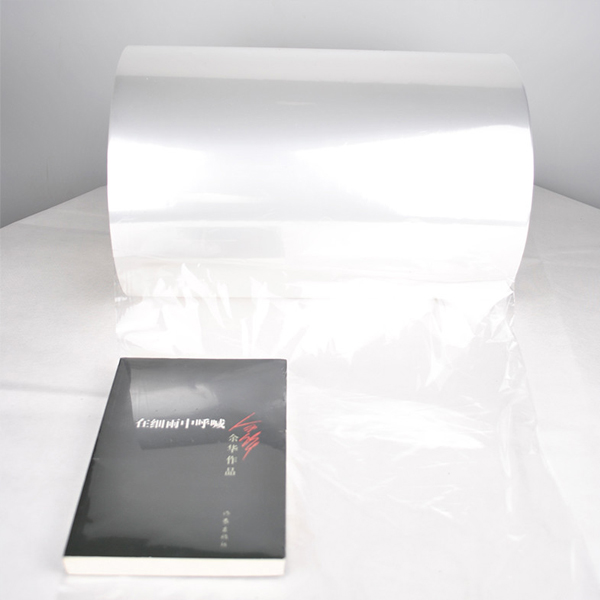
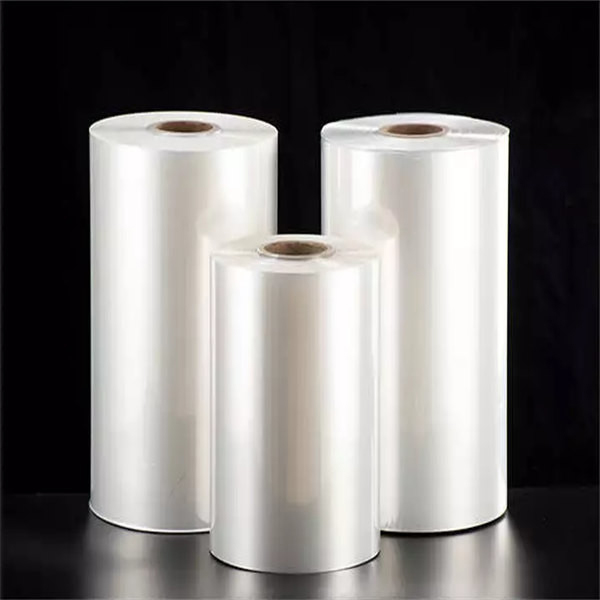
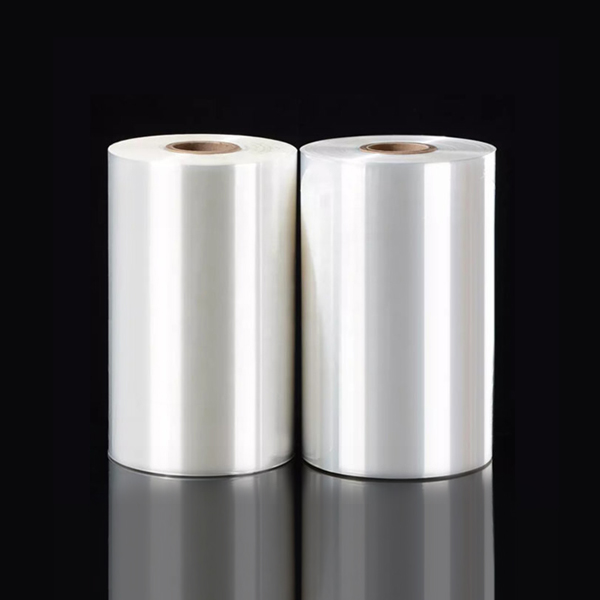
POF heat shrink film is a premium packaging solution offering superior clarity, strength, and environmental benefits compared to traditional PVC films. Made from polyolefin materials, it provides excellent product protection while maintaining an attractive presentation that enhances shelf appeal.
Content
What Makes POF Heat Shrink Film Different
POF (Polyolefin) heat shrink film represents a significant advancement in packaging technology. Unlike older PVC-based alternatives, POF film is manufactured using co-extrusion processes that create multi-layered structures with enhanced performance characteristics.
The material composition typically includes layers of polyethylene and polypropylene, resulting in a film that shrinks uniformly when exposed to heat. This uniform shrinkage rate ranges between 50-70%, depending on the specific formulation and thickness.
Key Material Properties
- High tensile strength exceeding 100 MPa in machine direction
- Excellent optical clarity with gloss levels above 85%
- Low shrink temperature starting at 90°C (194°F)
- FDA-approved for direct food contact applications
- Free from chlorine and harmful plasticizers
Environmental Advantages of POF Film
Environmental considerations have become increasingly important in packaging decisions. POF heat shrink film offers several eco-friendly benefits that make it attractive to sustainability-conscious businesses.
POF film produces 50% less smoke during incineration compared to PVC alternatives, and it generates no toxic dioxins or hydrochloric acid when burned. This makes disposal safer and more environmentally responsible.
Recycling and Waste Reduction
The recyclability of POF film contributes to circular economy initiatives. Many recycling facilities can process polyolefin materials, unlike PVC which requires specialized handling. Additionally, the lightweight nature of POF film means:
- Reduced transportation costs due to lower weight
- Less material usage per package compared to rigid containers
- Lower carbon footprint throughout the supply chain
- Compliance with increasingly strict environmental regulations
Common Applications Across Industries
POF heat shrink film has found widespread adoption across multiple sectors due to its versatility and reliable performance. Understanding these applications helps businesses identify opportunities for implementation.
| Industry Sector | Typical Applications | Film Thickness Range |
|---|---|---|
| Food & Beverage | Bottles, cans, frozen foods, bakery items | 12-25 microns |
| Consumer Goods | Toys, electronics, cosmetics, gift sets | 15-30 microns |
| Pharmaceuticals | Medicine bottles, medical devices, kits | 15-25 microns |
| Publishing | Books, magazines, CDs/DVDs | 12-20 microns |
| Industrial | Hardware, tools, auto parts bundles | 20-40 microns |
Selecting the Right POF Film for Your Needs
Choosing appropriate POF heat shrink film requires consideration of several technical factors. Making the right selection ensures optimal packaging performance and cost efficiency.
Thickness Considerations
Film thickness directly impacts strength, clarity, and cost. Thinner films (12-15 microns) work well for lightweight products and offer better transparency, while thicker options (25-40 microns) provide enhanced durability for heavier or sharper-edged items.
For most general packaging applications, 15-20 micron film provides the best balance of performance and economy. Heavy-duty applications may require 30+ micron films to prevent punctures and tears.
Shrink Temperature and Equipment Compatibility
Different POF formulations activate at varying temperatures. Standard POF films begin shrinking at approximately 90-110°C, while specialty grades may require higher temperatures. Ensure your heat tunnel or shrink chamber can achieve and maintain the required temperature range consistently.
Cross-linked POF films offer improved memory and resistance to tearing but may need slightly higher shrink temperatures. These are particularly suitable for automated high-speed packaging lines where film integrity is critical.
Sealing Requirements
The sealing method affects both equipment selection and operational efficiency. Center-folded films work with L-bar sealers for individual product wrapping, while single-wound films suit sleeve applications. Consider:
- Production speed requirements
- Product dimensions and shape complexity
- Available floor space for equipment
- Operator skill level and training needs
Performance Comparison with Alternative Films
Understanding how POF compares to other shrink film types helps justify investment decisions and ensures you're selecting the most appropriate material for your application.
| Property | POF Film | PVC Film | PETG Film |
|---|---|---|---|
| Environmental Safety | Excellent | Poor | Good |
| Clarity | Very High | High | Highest |
| Toughness | High | Medium | Very High |
| Cost | Moderate | Low | High |
| Shrink Temperature | Low (90-110°C) | Low (80-100°C) | High (120-150°C) |
| Recyclability | Good | Difficult | Moderate |
POF film strikes an optimal balance between performance, cost, and environmental responsibility, making it the preferred choice for most modern packaging operations seeking to upgrade from PVC or avoid the premium pricing of PETG.
Best Practices for Optimal Results
Achieving consistent, professional-quality results with POF heat shrink film requires attention to operational details. Following established best practices minimizes waste and maximizes efficiency.
Equipment Setup and Maintenance
Proper equipment calibration significantly impacts packaging quality. Regular maintenance should include checking heating element functionality, verifying conveyor speeds, and ensuring air circulation systems operate correctly. Temperature variations of just 10°C can affect shrink quality noticeably.
Storage Conditions
POF film performs best when stored under controlled conditions. Keep rolls in a cool, dry environment away from direct sunlight and extreme temperatures. Ideal storage temperature ranges between 15-25°C with relative humidity below 60% to prevent moisture absorption that could affect sealing quality.
Troubleshooting Common Issues
When problems arise, systematic troubleshooting saves time and reduces material waste:
- Wrinkling or uneven shrinkage: Check temperature distribution across the heat tunnel and verify film orientation
- Poor seal integrity: Adjust sealer temperature and pressure settings, ensure sealing surfaces are clean
- Film tearing during shrink: Reduce shrink temperature or switch to cross-linked film variant
- Cloudy appearance: Verify film hasn't been exposed to excessive moisture and check for contamination
Future Trends in POF Film Technology
The packaging industry continues evolving, and POF heat shrink film technology advances alongside changing market demands. Several emerging trends warrant attention for forward-thinking businesses.
Manufacturers are developing bio-based POF formulations using renewable resources, potentially reducing dependency on petroleum-derived materials. Early trials show these sustainable variants maintain 90-95% of conventional POF performance characteristics while offering improved environmental credentials.
Smart packaging integration represents another growth area. Researchers are exploring ways to incorporate indicators into POF films that change color when products experience temperature abuse or approach expiration dates. While still in development stages, such innovations could transform how POF film adds value beyond basic containment and protection.
Thinner gauge films with equivalent or superior strength continue emerging through advanced manufacturing techniques. These developments promise further material savings and reduced environmental impact without compromising protective qualities.
Recommended Products
Contact Us
Want To Know More?

- E-mail: [email protected]
- Phone: +86-18761594570 ( Miss. Jenny Chen )
- WhatsApp: +86-18761594570
- Address : No. 58-2, Panlongshan Road, Shanguan Town, Jiangyin City, Jiangsu Province, China
Product Categories
Follow Us
Copyright © 2025 by Jiangyin Guanghong Packing Materials Co., Ltd. Rights Reserved.
 POF Shrink Film Manufacturers