


 English
 Español
Looking forward to your message
Our factory was established in 2006
-
 Mobile/Whats app/Wechat: +86-18761594570 ( Miss. Jenny Chen )
-
 E-mail: [email protected]
POF Heat Shrink Film Guide: Benefits, Uses & Comparison
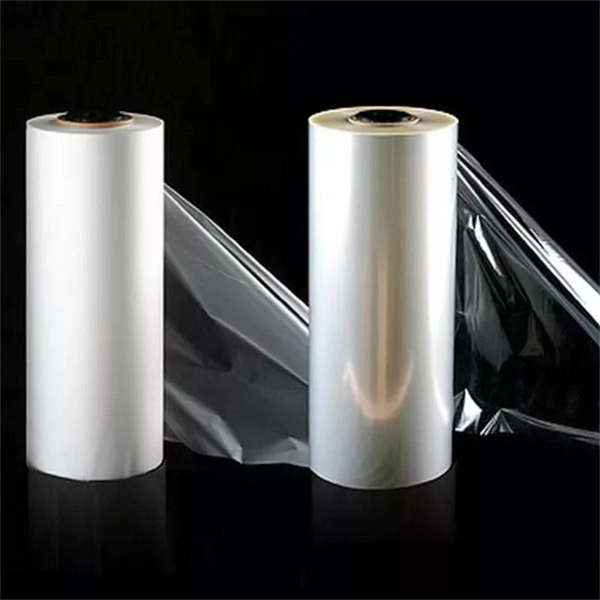
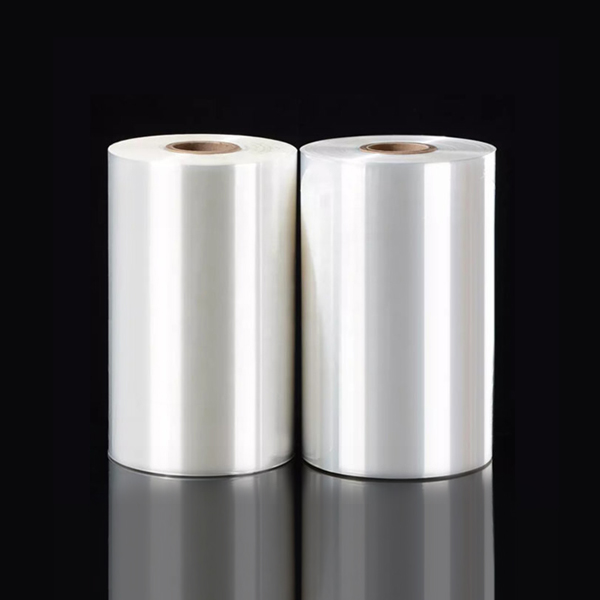
POF heat shrink film, made from Polyolefin, has become the preferred packaging solution for modern retail and industrial applications due to its superior clarity, strength, and environmental profile. Unlike traditional PVC films, POF is non-toxic, recyclable, and offers a high-gloss finish that enhances product visibility and shelf appeal. For businesses looking to upgrade their packaging operations, switching to POF provides a reliable, cost-effective method to secure products while maintaining a premium aesthetic. Its ability to conform tightly to irregular shapes without compromising integrity makes it ideal for everything from software boxes to multi-pack beverages.
The core advantage of POF lies in its molecular structure. It is a cross-linked polymer, which means it retains its shape and strength even when stretched or punctured. This durability reduces waste during the packaging process, as the film is less likely to tear during high-speed automated wrapping. Furthermore, POF shrinks at lower temperatures than many alternatives, reducing energy consumption and minimizing the risk of heat damage to sensitive products.
Content
Key Properties and Performance Benefits
Understanding the physical properties of POF heat shrink film helps manufacturers optimize their packaging lines for efficiency and quality.
Clarity and Gloss
POF film offers exceptional transparency, often exceeding 90% light transmission. This crystal-clear finish allows consumers to see the product details clearly, which is crucial for retail items where visual appeal drives sales. The high gloss surface also enhances printed graphics, making barcodes and branding stand out sharply.
Strength and Durability
The cross-linked structure of POF provides high tensile strength and puncture resistance. It can withstand significant impact without tearing, protecting products during shipping and handling. This strength allows for the use of thinner gauges (down to 12 microns) without sacrificing protection, leading to material cost savings and reduced plastic usage per package.
| Property | POF (Polyolefin) | PVC (Polyvinyl Chloride) | PE (Polyethylene) |
|---|---|---|---|
| Clarity | Excellent | Good | Cloudy/Hazy |
| Eco-Friendliness | Recyclable, Non-Toxic | Toxic Fumes, Hard to Recycle | Recyclable |
| Shrink Temperature | Low (120-150°C) | Medium (140-180°C) | High (160-200°C) |
| Tear Resistance | High | Low | Very High |
Environmental Impact and Sustainability
In an era of increasing environmental regulation, POF heat shrink film stands out as a sustainable choice. Unlike PVC, which releases harmful chlorine gases when burned or processed, POF is free from chlorides and heavy metals. It is fully recyclable under resin identification code #7 (Other) or #4 (LDPE/LLDPE blends), depending on the specific formulation, and is accepted in many store-drop-off recycling programs.
Additionally, the production of POF film consumes less energy compared to PVC. Its lower shrink temperature means that heat tunnels and ovens operate more efficiently, reducing the carbon footprint of the packaging process. For companies aiming to meet ESG (Environmental, Social, and Governance) goals, switching to POF is a tangible step toward greener operations.
Applications Across Industries
The versatility of POF heat shrink film makes it suitable for a wide range of products and industries. Its ability to provide a tight, tamper-evident seal while enhancing visual appeal drives its widespread adoption.
- Retail and Consumer Goods: Ideal for wrapping CD/DVD cases, software boxes, cosmetics, and toys. The high clarity showcases the product, while the tight fit prevents pilferage.
- Food and Beverage: Used for multi-packing bottles, cans, and food trays. POF is FDA-compliant for direct food contact in many formulations, ensuring safety for edible products.
- Industrial and Automotive: Protects parts from dust and moisture during storage and transit. Its puncture resistance ensures that sharp edges do not compromise the packaging integrity.
- Promotional Bundling: Effectively bundles multiple items together for "buy-one-get-one" offers or kit assemblies, keeping components secure and organized.
Operational Tips for Best Results
To maximize the performance of POF heat shrink film, proper machine settings and handling are essential. Incorrect temperature or speed can lead to poor shrinkage, burns, or weak seals.
Temperature and Speed Control
POF typically shrinks best at temperatures between 120°C and 150°C (248°F - 302°F). Running the heat tunnel too hot can cause the film to burn or become brittle, while too low a temperature results in incomplete shrinking and a loose fit. Adjust the conveyor speed to ensure the product spends enough time in the heat zone for uniform shrinkage. A good starting point is a dwell time of 5-10 seconds, depending on the film gauge.
Seal Integrity
Ensure the sealing bars are clean and properly aligned. POF requires a consistent seal temperature, usually slightly higher than the shrink temperature. Regularly inspect seals for weakness or channels, which can compromise the package's protective qualities. Using anti-static treatments can also help prevent the film from clinging to itself or machinery, improving throughput and reducing jams.
Recommended Products
Contact Us
Want To Know More?

- E-mail: [email protected]
- Phone: +86-18761594570 ( Miss. Jenny Chen )
- WhatsApp: +86-18761594570
- Address : No. 58-2, Panlongshan Road, Shanguan Town, Jiangyin City, Jiangsu Province, China
Product Categories
Follow Us
Copyright © 2025 by Jiangyin Guanghong Packing Materials Co., Ltd. Rights Reserved.
 POF Shrink Film Manufacturers