


 English
 Español
Looking forward to your message
Our factory was established in 2006
-
 Mobile/Whats app/Wechat: +86-18761594570 ( Miss. Jenny Chen )
-
 E-mail: [email protected]
POF Heat Shrink Film: Benefits, Specs & Packaging Guide
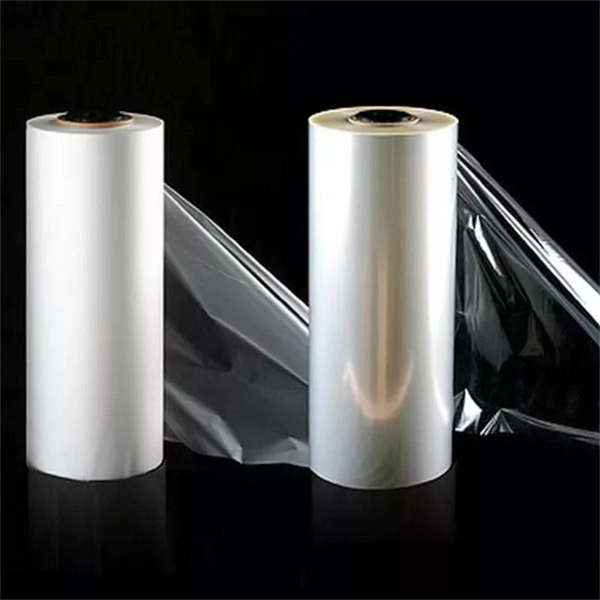
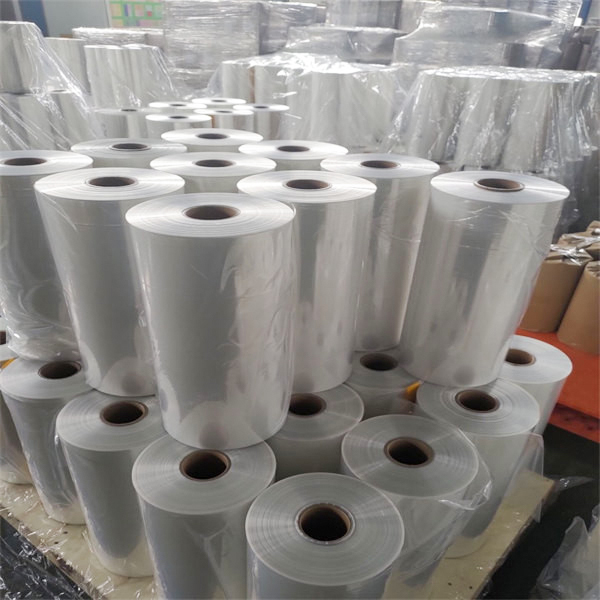
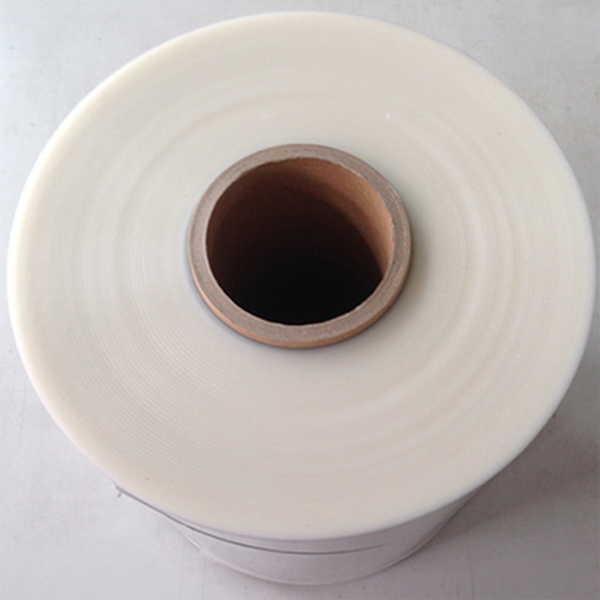
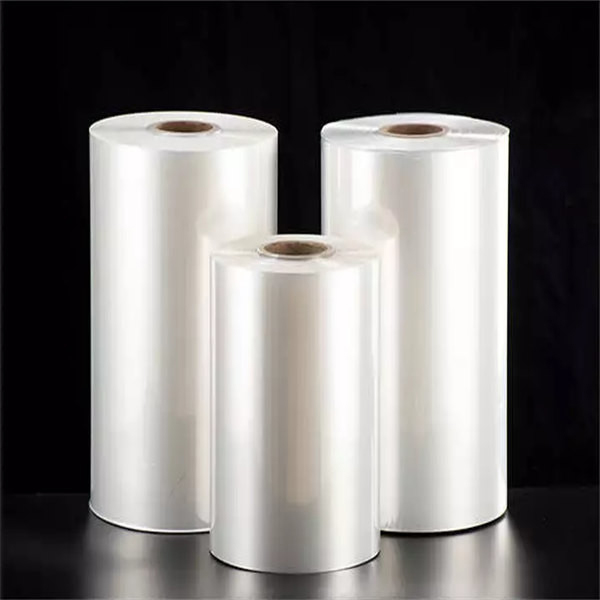
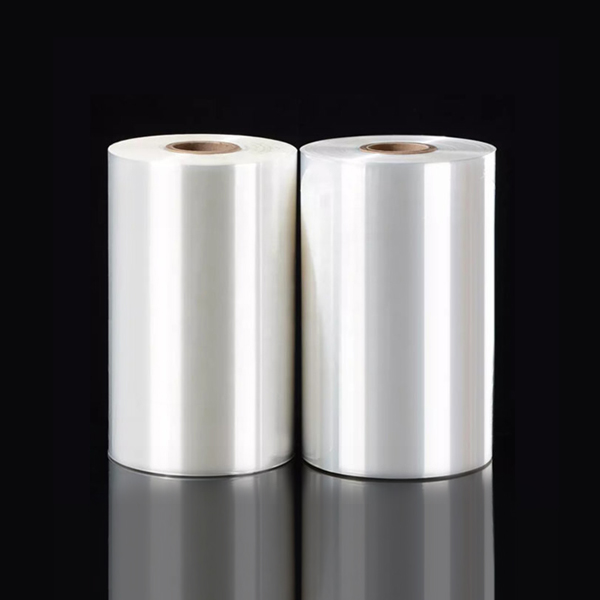
POF (Polyolefin) heat shrink film has become the dominant material in the retail and industrial packaging sectors, surpassing traditional PVC and PE films due to its superior clarity, strength, and environmental profile. Composed of five layers of co-extruded polyethylene and polypropylene, POF film offers a unique combination of high tensile strength and excellent shrinkage properties, making it ideal for bundling multi-packs, protecting consumer goods, and enhancing product presentation.
For packaging engineers and procurement specialists, the primary advantage of POF is its versatility and safety. It is FDA-approved for direct food contact, releases no toxic fumes during shrinking, and provides a crystal-clear finish that enhances shelf appeal. With a shrink rate of up to 75%, it conforms tightly to irregular shapes, ensuring product stability during transit while minimizing material usage.
Content
Material Composition and Structural Advantages
Unlike single-layer films, standard POF heat shrink film is manufactured using a five-layer co-extrusion process. This structure typically consists of two outer layers of specialized polyethylene for sealability and toughness, two inner layers of polypropylene for stiffness and clarity, and a central core layer for strength. This synergistic combination results in a film that is both durable and aesthetically pleasing.
Enhanced Clarity and Gloss
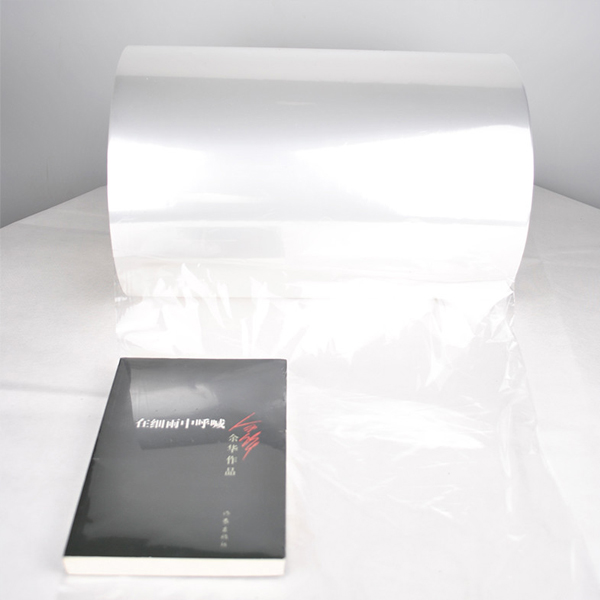
One of the most significant benefits of POF is its optical quality. It offers a gloss level of >90%, providing a "glass-like" appearance that significantly boosts product visibility. This high transparency is crucial for retail environments where packaging acts as a silent salesman. Unlike PVC, which can yellow over time or appear cloudy, POF maintains its clarity throughout its shelf life.
Superior Toughness and Puncture Resistance
POF film exhibits exceptional tear and puncture resistance, even at low gauges. This allows manufacturers to downgage—use thinner film—without compromising protection. For example, a 15-micron POF film can often perform equivalently to a 20-micron PVC film, resulting in material cost savings and reduced waste. Its ability to withstand rough handling makes it suitable for heavy items like hardware tools or bottled beverages.
Comparison with PVC and PE Shrink Films
Choosing the right shrink film depends on the specific application, but POF often emerges as the balanced choice between performance, cost, and sustainability. Understanding the differences between POF, PVC (Polyvinyl Chloride), and PE (Polyethylene) is essential for making informed decisions.
| Feature | POF Film | PVC Film | PE Film |
|---|---|---|---|
| Clarity | Excellent | Good | Poor (Hazy) |
| Shrink Temperature | Low (120-150°C) | Medium (140-180°C) | High (160-200°C) |
| Environmental Impact | Recyclable, Non-toxic | Releases Chlorine | Recyclable |
| Seal Strength | High | Medium | Very High |
While PE is cheaper and stronger, its lack of clarity limits it to industrial bundling. PVC, once the industry standard, is being phased out in many regions due to environmental concerns regarding chlorine emissions. POF bridges the gap, offering the clarity of PVC with the safety and recyclability closer to PE.
Operational Efficiency and Machine Compatibility
Implementing POF heat shrink film requires understanding its thermal behavior and compatibility with existing packaging machinery. Its low shrinking temperature translates to energy savings and faster line speeds.
Energy Savings and Speed
POF shrinks effectively at temperatures between 120°C and 150°C, which is lower than both PVC and PE. This lower thermal requirement reduces energy consumption in the shrink tunnel by approximately 20-30%. Additionally, POF responds quickly to heat, allowing for higher conveyor speeds without sacrificing shrink quality, thereby increasing overall throughput.
Cross-Linking Technology
Most high-performance POF films are cross-linked during manufacturing. This process creates a molecular network that prevents the film from melting or burning easily if it contacts the heating elements. Cross-linked POF is more forgiving during machine setup and reduces downtime caused by film breakage or jamming. It also enhances memory retention, ensuring the film stays tight around the product even under temperature fluctuations.
Sustainability and Regulatory Compliance
In an era of increasing environmental regulation, POF heat shrink film offers a compliant and sustainable packaging solution. Its composition and lifecycle characteristics align with modern green initiatives.
- Non-Toxic Processing: POF does not contain chlorine or halogens. When shrunk, it emits no noxious fumes, ensuring a safer workplace for operators and eliminating the need for expensive exhaust scrubbing systems required for PVC.
- Recyclability: POF is classified as #7 OTHER plastic but is increasingly accepted in recycling streams depending on local facilities. It is free from heavy metals and complies with RoHS and REACH regulations, making it suitable for global export.
- Source Reduction: Due to its high strength, POF allows for downgauging. Using a thinner film reduces the total volume of plastic used per package, contributing to source reduction goals and lowering carbon footprint associated with material transport.
In conclusion, POF heat shrink film represents the optimal balance of aesthetics, performance, and environmental responsibility. Its adoption not only enhances product presentation but also streamlines operations through energy efficiency and machine reliability, making it the preferred choice for modern packaging lines.
Recommended Products
Contact Us
Want To Know More?

- E-mail: [email protected]
- Phone: +86-18761594570 ( Miss. Jenny Chen )
- WhatsApp: +86-18761594570
- Address : No. 58-2, Panlongshan Road, Shanguan Town, Jiangyin City, Jiangsu Province, China
Product Categories
Follow Us
Copyright © 2025 by Jiangyin Guanghong Packing Materials Co., Ltd. Rights Reserved.
 POF Shrink Film Manufacturers