


 English
 Español
Looking forward to your message
Our factory was established in 2006
-
 Mobile/Whats app/Wechat: +86-18761594570 ( Miss. Jenny Chen )
-
 E-mail: [email protected]
POF Shrink Roll Guide: Benefits, Specs & Machine Settings
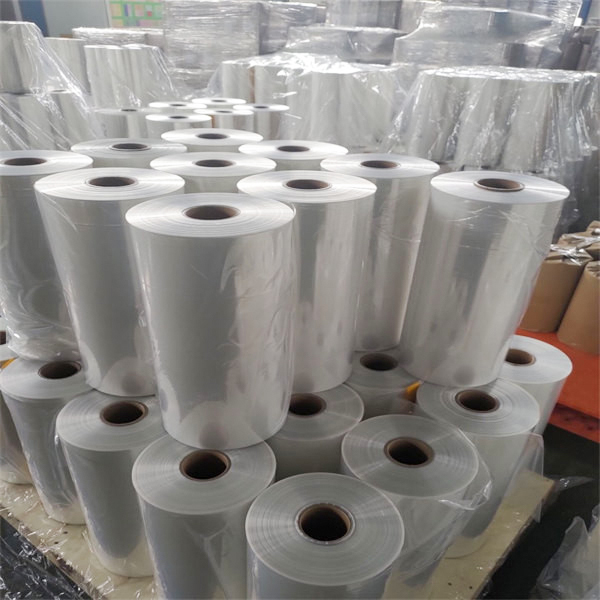
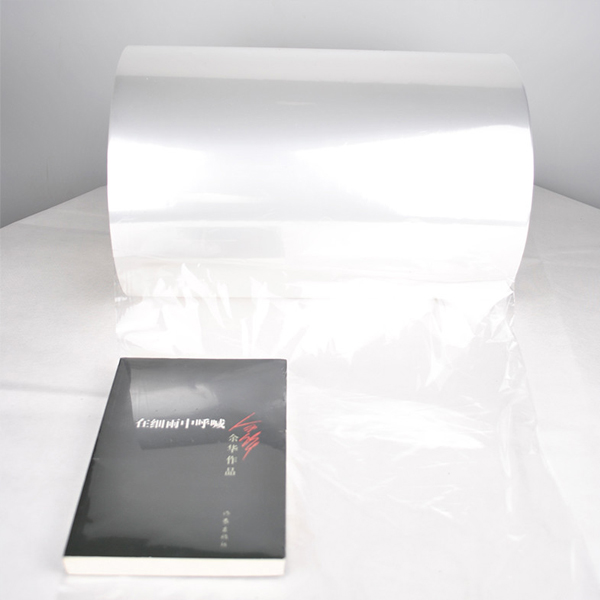
Polyolefin (POF) shrink film has become the industry standard for retail and industrial packaging due to its superior clarity, strength, and environmental profile. Unlike older PVC films, a high-quality POF shrink roll offers exceptional durability without releasing harmful chlorides during the shrinking process. For optimal performance, operators must match the film gauge to the product weight and precisely calibrate heat tunnel temperatures to achieve a tight, wrinkle-free seal. Understanding these variables ensures consistent package integrity and enhanced shelf appeal.
Content
Advantages Over PVC and PE Films
Selecting the right shrink film involves balancing cost, performance, and regulatory compliance. POF occupies a sweet spot between the low cost of Polyethylene (PE) and the high clarity of Polyvinyl Chloride (PVC), offering distinct advantages for modern supply chains.
| Property | POF (Polyolefin) | PVC (Polyvinyl Chloride) | PE (Polyethylene) |
|---|---|---|---|
| Clarity/Gloss | Excellent | Good | Low/Hazy |
| Environmental Impact | Non-toxic, Recyclable | Releases Chlorine Gas | Recyclable |
| Durability | High Puncture Resistance | Brittle over time | Very High Tear Strength |
| Shrink Temperature | Lower (~120-150°C) | Low (~100-120°C) | High (~160-180°C) |
POF is particularly favored in food packaging and consumer goods because it is FDA-approved for direct contact and does not emit noxious fumes when heated. Its cross-linked structure provides superior memory, meaning it maintains tension around the product even after cooling, preventing loose corners during transit.
Selecting the Right Gauge and Format
The thickness of the film, measured in gauge or microns, directly impacts both the aesthetic quality and the protective capability of the package. Using the wrong gauge can lead to film breakage during shrinking or excessive material costs.
Standard Gauge Applications
For lightweight items such as CDs, cosmetics, and small boxes, a 45 to 60 gauge (11-15 micron) film is sufficient. This thin profile maximizes yield per roll and provides a tight, skin-like fit. Medium-weight products like software boxes, toy packages, and multi-packs typically require 75 to 100 gauge (19-25 micron) film to withstand handling and automated sorting systems. Heavy industrial items or sharp-edged products may necessitate 150 gauge (38 micron) or higher to prevent puncture.
Single vs. Double Wound Rolls
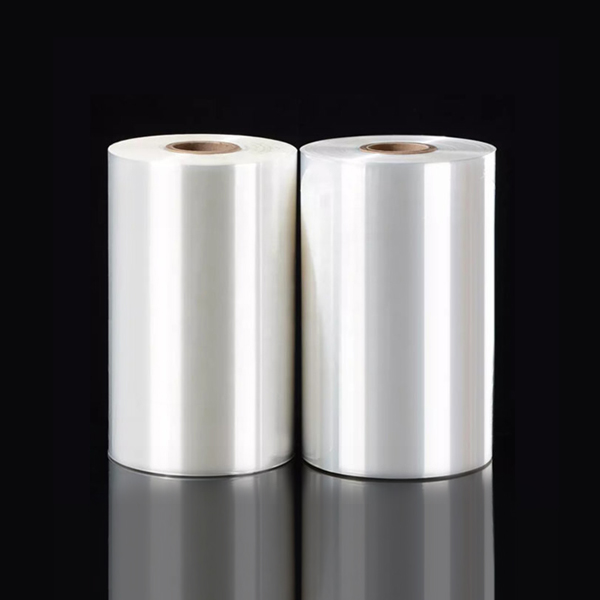
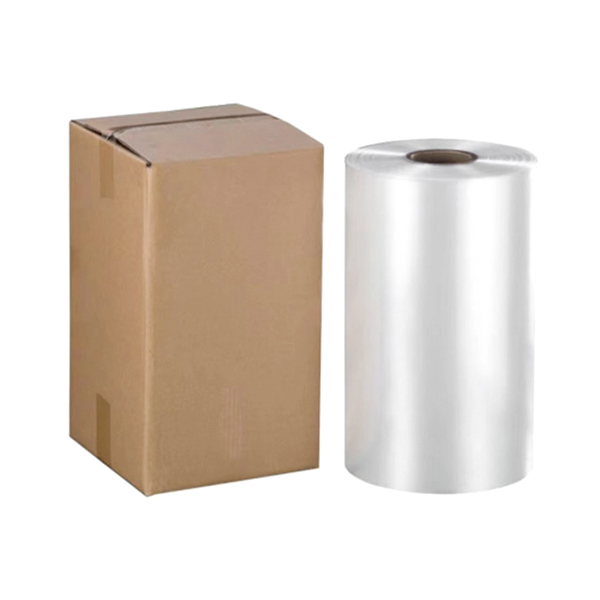
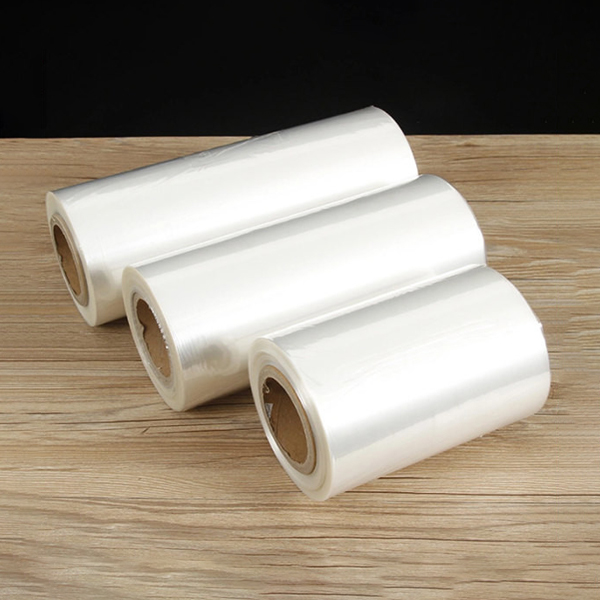
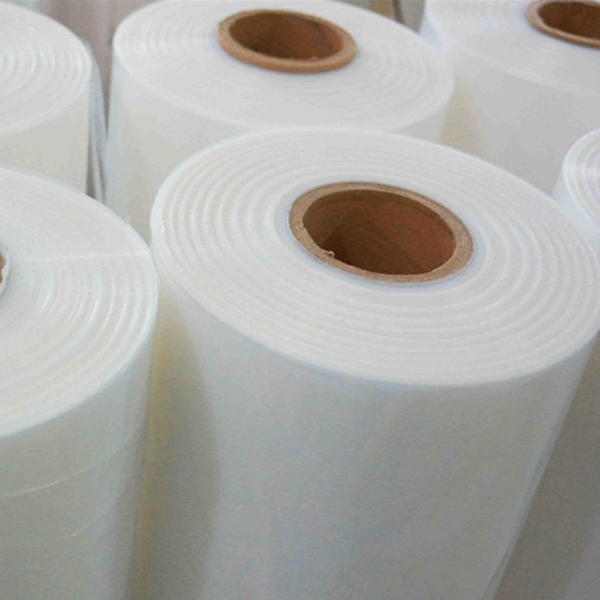
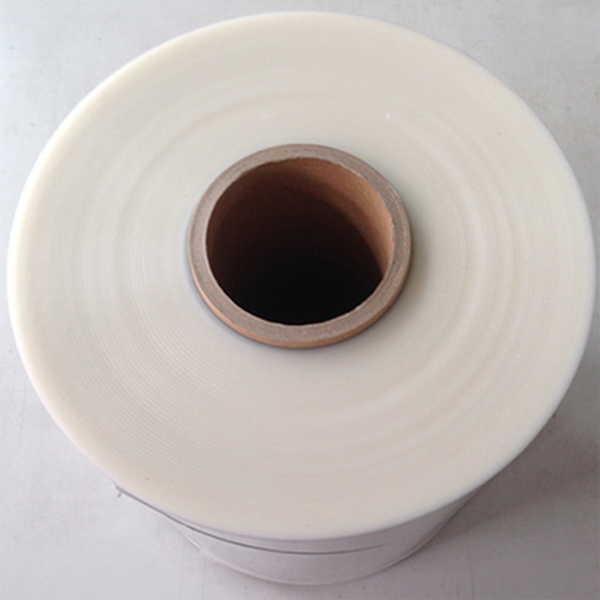
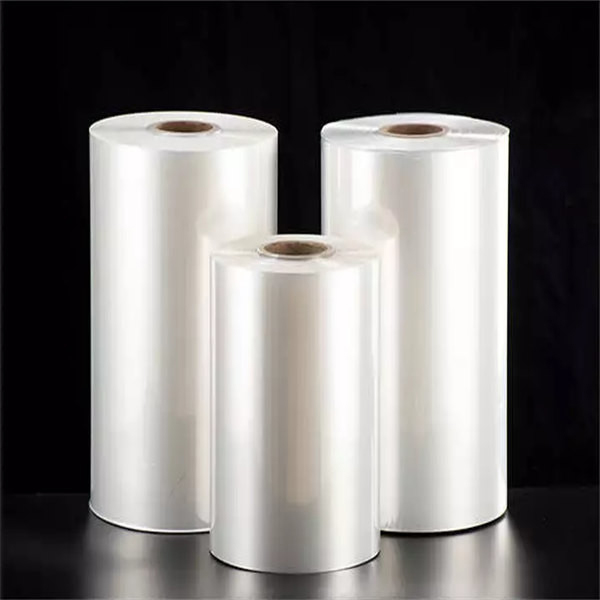
POF shrink rolls are available in single-wound (single layer) and double-wound (center-folded) formats. Center-folded rolls are ideal for L-bar sealers and automatic sleeve wrappers, as they create a seamless back on the package. Single-wound rolls are used for flat applications or when a specific back-seal configuration is required. Choosing the correct format reduces waste and simplifies the loading process on the packaging line.
Machine Calibration and Operating Parameters
Even the highest quality POF film will perform poorly if the shrink tunnel and sealer are not correctly calibrated. Precision in temperature and speed is essential for a professional finish.
- Sealer Temperature: Set the impulse sealer bars between 120°C and 150°C. Too hot, and the film will burn or stick to the Teflon tape; too cool, and the seal will be weak and prone to splitting. Always use a test strip to verify seal integrity before running production.
- Tunnel Heat Distribution: POF shrinks best with balanced heat from all sides. Ensure the tunnel heaters are uniform. For irregularly shaped products, slightly higher top heat may be necessary to prevent "dog-earing" at the corners.
- Conveyor Speed: The speed must match the heat output. A general rule is to allow enough dwell time for the film to reach its activation temperature without overheating. Start at a moderate speed and adjust based on the shrink quality. If wrinkles appear, slow down the conveyor or increase the temperature slightly.
- Airflow Management: Proper airflow circulates heat evenly. Blocked vents or faulty fans can cause cold spots, resulting in uneven shrinking. Regularly clean air filters to maintain consistent thermal performance.
Troubleshooting Common Packaging Defects
Identifying the root cause of packaging defects quickly minimizes downtime and material waste. Most issues with POF shrink rolls are related to mechanical settings or environmental factors.
Film Breakage and Tears
If the film tears during the shrinking process, the temperature is likely too high, or the conveyor speed is too slow, causing the film to over-shrink and rupture. Conversely, tears at the seal indicate excessive sealer pressure or contaminated sealing wires. Clean the sealing elements regularly and check for sharp edges on the product that might puncture the film before it enters the tunnel.
Cloudiness and Haze
POF is known for its clarity, so any haze is a sign of improper processing. Cloudiness usually results from insufficient heat, preventing the film from fully relaxing and clarifying. Increasing the tunnel temperature by 5-10°C often resolves this issue. Additionally, ensure the film is stored in a cool, dry place, as moisture absorption can affect transparency during heating.
Loose Corners and Dog-Ears
Loose corners occur when the film does not shrink tightly around the product's edges. This is often due to low shrinkage force or uneven heat distribution. Check the tunnel's airflow balance and ensure the film has not been stretched excessively during the sealing process, which can reduce its memory and shrinking capability.
Recommended Products

Contact Us
Want To Know More?

- E-mail: [email protected]
- Phone: +86-18761594570 ( Miss. Jenny Chen )
- WhatsApp: +86-18761594570
- Address : No. 58-2, Panlongshan Road, Shanguan Town, Jiangyin City, Jiangsu Province, China
Product Categories
Follow Us
Copyright © 2025 by Jiangyin Guanghong Packing Materials Co., Ltd. Rights Reserved.
 POF Shrink Film Manufacturers