


 English
 Español
Looking forward to your message
Our factory was established in 2006
-
 Mobile/Whats app/Wechat: +86-18761594570 ( Miss. Jenny Chen )
-
 E-mail: [email protected]
Polyolefin Plastic Wrap: Benefits, Safety & Industrial Uses
Content
The Superiority of Polyolefin Plastic Wrap in Modern Packaging
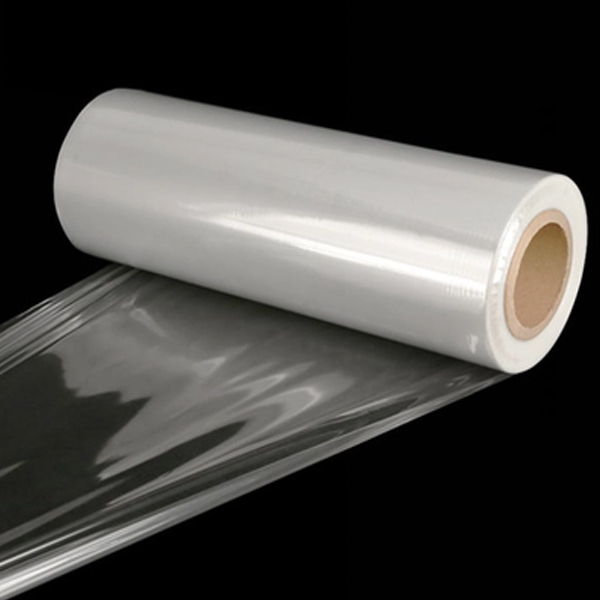
Polyolefin plastic wrap has emerged as the gold standard for both consumer and industrial packaging, surpassing traditional PVC and PVDC films in safety, clarity, and environmental profile. The primary advantage of polyolefin (specifically oriented polypropylene or OPP, and polyethylene blends) is its non-toxic composition and high tensile strength, making it ideal for direct food contact and heavy-duty bundling.
This article explores the chemical properties that make polyolefin wrap superior, its diverse applications across industries, and practical guidelines for selecting the right grade. By understanding these factors, businesses and consumers can make informed decisions that enhance product preservation and sustainability.
Chemical Composition and Safety Advantages
Unlike PVC (Polyvinyl Chloride), which contains chlorine and often requires plasticizers like phthalates to remain flexible, polyolefin wraps are made from polymers of ethylene and propylene. This fundamental difference results in a safer, more stable material.
Non-Toxic and Food Safe
Polyolefin plastic wrap is free from chlorine and harmful plasticizers. When heated, it does not release dioxins or hydrochloric acid, a significant risk associated with PVC. This makes it the preferred choice for microwaveable food packaging and fresh produce wrapping. Regulatory bodies such as the FDA and EFSA strictly approve polyolefin for direct food contact, ensuring no chemical migration into food products.
Moisture and Gas Barrier Properties
While not as high a barrier as EVOH, polyolefin offers excellent moisture resistance, preventing dehydration of fresh foods. Its breathability can be tuned during manufacturing, allowing for optimal gas exchange for fruits and vegetables, thereby extending shelf life by up to 30% compared to non-breathable films.
| Property | Polyolefin (POF/PE) | PVC | PVDC |
|---|---|---|---|
| Chlorine Content | None | Yes | Yes |
| Microwave Safe | Yes | No | No |
| Recyclability | High (Type 4/5) | Low | Very Low |
Industrial and Commercial Applications
Beyond household use, polyolefin plastic wrap is a critical component in industrial logistics and retail presentation. Its versatility allows it to be engineered for specific strengths, cling levels, and clarity requirements.
Retail and Food Service
In supermarkets, polyolefin wrap is used for overwrapping trays of meat, produce, and baked goods. Its high clarity enhances product visibility, while its consistent cling ensures packages remain sealed during transport. For bakeries, specialized grades allow for breathability, preventing crust softening and mold growth.
Industrial Bundling and Protection
Heavier gauge polyolefin films are used for bundling boxes, protecting pallets, and securing construction materials. Unlike stretch film, which relies on elasticity, polyolefin shrink wrap uses heat to conform tightly to irregular shapes, providing a tamper-evident and weather-resistant seal. This is crucial for shipping electronics, automotive parts, and building supplies.
- Clarity: Crystal-clear finish improves brand presentation and scanability of barcodes.
- Durability: High puncture resistance protects products from sharp edges during shipping.
- Consistency: Uniform thickness ensures reliable performance on automated packaging machines.
Sustainability and Recycling Potential
As global regulations tighten on single-use plastics, polyolefin plastic wrap offers a more sustainable pathway compared to halogenated alternatives. Its recyclability and lower carbon footprint in production make it a preferred choice for eco-conscious brands.
Recyclability and Circular Economy
Polyolefin films fall under resin identification codes 2 (HDPE), 4 (LDPE), and 5 (PP). These materials are widely accepted in store-drop-off recycling programs. Unlike PVC, which contaminates recycling streams, polyolefin can be reprocessed into new films, composite lumber, or piping. Implementing a closed-loop recycling system can reduce raw material costs for manufacturers.
Reduced Environmental Impact
The production of polyolefin generates fewer greenhouse gases and toxic byproducts than PVC. Additionally, advancements in bio-based polyolefins, derived from sugarcane or corn starch, are further reducing the carbon footprint. Choosing polyolefin wrap supports corporate sustainability goals and compliance with emerging environmental standards.
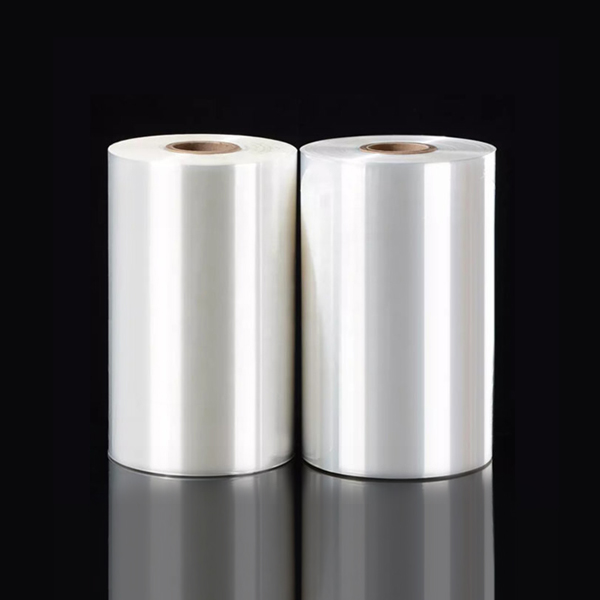
Recommended Products
Contact Us
Want To Know More?

- E-mail: [email protected]
- Phone: +86-18761594570 ( Miss. Jenny Chen )
- WhatsApp: +86-18761594570
- Address : No. 58-2, Panlongshan Road, Shanguan Town, Jiangyin City, Jiangsu Province, China
Product Categories
Follow Us
Copyright © 2025 by Jiangyin Guanghong Packing Materials Co., Ltd. Rights Reserved.
 POF Shrink Film Manufacturers