


 English
 Español
Looking forward to your message
Our factory was established in 2006
-
 Mobile/Whats app/Wechat: +86-18761594570 ( Miss. Jenny Chen )
-
 E-mail: [email protected]
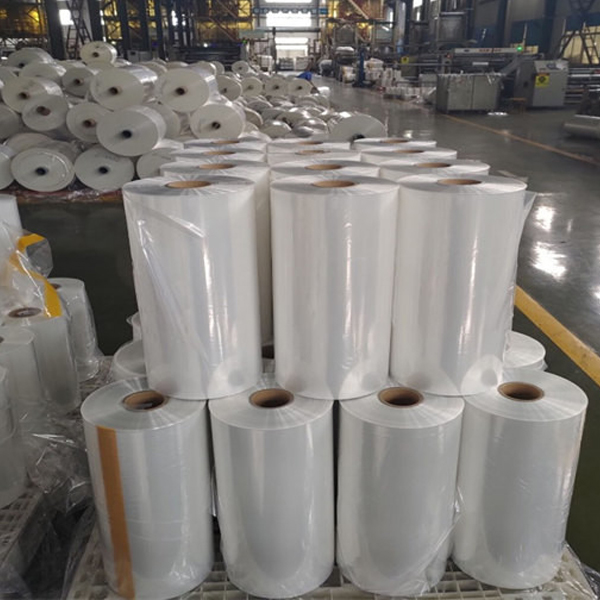
Polyolefin Plastic Wrap: Selection Guide & Performance Tips
Content
Optimizing Packaging with Polyolefin Plastic Wrap
Selecting the correct polyolefin plastic wrap is critical for achieving efficient packaging operations and high-quality end results. The key lies in matching the film's physical properties—such as gauge, shrink ratio, and seal strength—to the specific product and machinery. Using the wrong film can lead to increased waste, machine downtime, and compromised product protection.
This guide provides actionable insights into selecting the right polyolefin wrap, understanding technical specifications, and troubleshooting common packaging issues. By applying these principles, operators can enhance throughput and reduce material costs.
Key Technical Specifications for Selection
Understanding the technical data sheet of polyolefin film is essential for making an informed purchase. Key parameters include thickness, shrinkage, and sealing temperature.
Gauge and Thickness
Film thickness, measured in microns or gauge, determines durability and cost. Lighter gauges (12-15 microns) are suitable for lightweight items like CDs or small boxes, while heavier gauges (20-30+ microns) are required for sharp-edged or heavy industrial products. Thinner films offer cost savings but may compromise puncture resistance. A 15-micron film is often the sweet spot for general-purpose retail packaging.
Shrink Ratio and Orientation
Polyolefin films are oriented during manufacturing to control shrink direction. Free-shrink films shrink in all directions, ideal for irregular shapes. Controlled-shrink films have specific longitudinal and transverse shrink ratios (e.g., 20% MD / 40% TD), allowing for precise tensioning around uniform products. Matching the shrink ratio to the product geometry prevents film distortion or tearing during the heating process.
| Application | Recommended Gauge | Shrink Type | Key Feature |
|---|---|---|---|
| Food Trays | 12-15 micron | Free Shrink | High Clarity/Breathable |
| Software/Boxes | 15-19 micron | Controlled | Crisp Edges/Gloss |
| Industrial Bundles | 25-50 micron | High Strength | Puncture Resistance |
Operational Best Practices and Troubleshooting
Even the highest quality polyolefin plastic wrap can fail if not processed correctly. Proper machine settings and handling techniques are vital for consistent performance.
Sealing Temperature and Speed
Polyolefin has a wider sealing window than PVC, but precision is still key. Too low a temperature results in weak seals that burst during shrinking; too high causes burn-through or excessive smoke. Start with manufacturer recommendations, typically between 120°C and 160°C, and adjust based on line speed. Slower speeds require lower temperatures to prevent overheating.
Common Defects and Solutions
Operators should be trained to identify and correct common issues. "Dog ears" (unshrunk corners) usually indicate insufficient heat or incorrect film orientation. Cloudiness can result from overheating or using a film not suited for the product's shape. Regular maintenance of sealing wires and shrink tunnel fans ensures consistent heat distribution and film quality.
- Film Jams: Check for static buildup; install ionizing bars to neutralize charge.
- Weak Seals: Clean sealing bars regularly to remove charred residue; check pressure alignment.
- Uneven Shrink: Verify airflow balance in the shrink tunnel; ensure product is centered.
Cost Efficiency and Waste Reduction
Optimizing the use of polyolefin plastic wrap directly impacts the bottom line. Strategies such as right-sizing film width, adjusting overlap, and recycling scrap can lead to significant savings.
Right-Sizing and Overlap Control
Using film that is too wide results in excessive overlap, wasting material. Automated systems can adjust film width dynamically, but manual adjustments should be made to minimize overlap to the necessary 10-15 mm for a secure seal. This simple adjustment can reduce film consumption by up to 5% annually.
Recycling Scrap Material
Trim waste and startup scrap from polyolefin lines are fully recyclable. Implementing a granulation system to reprocess this scrap into pellets can offset raw material costs. Many suppliers offer take-back programs for clean polyolefin waste, supporting a circular economy and reducing disposal fees.
Recommended Products
Contact Us
Want To Know More?

- E-mail: [email protected]
- Phone: +86-18761594570 ( Miss. Jenny Chen )
- WhatsApp: +86-18761594570
- Address : No. 58-2, Panlongshan Road, Shanguan Town, Jiangyin City, Jiangsu Province, China
Product Categories
Follow Us
Copyright © 2025 by Jiangyin Guanghong Packing Materials Co., Ltd. Rights Reserved.
 POF Shrink Film Manufacturers