


 English
 Español
Looking forward to your message
Our factory was established in 2006
-
 Mobile/Whats app/Wechat: +86-18761594570 ( Miss. Jenny Chen )
-
 E-mail: [email protected]
POF Plastic Film: Properties, Benefits, and Industrial Applications
Content
Why POF Plastic Film is the Preferred Choice for Modern Packaging
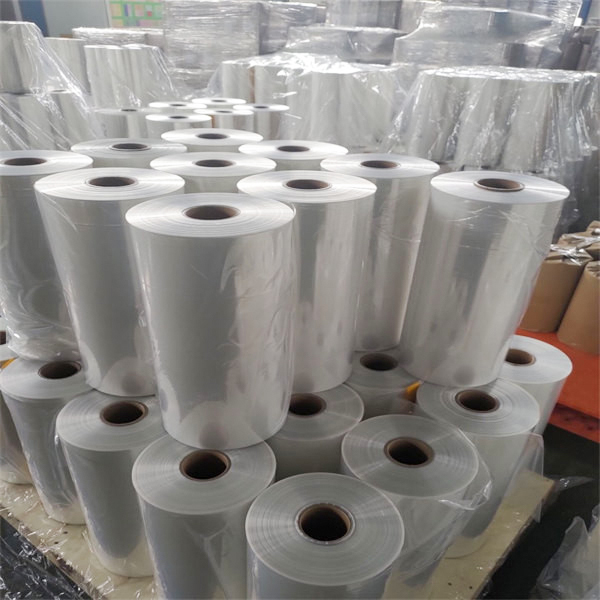
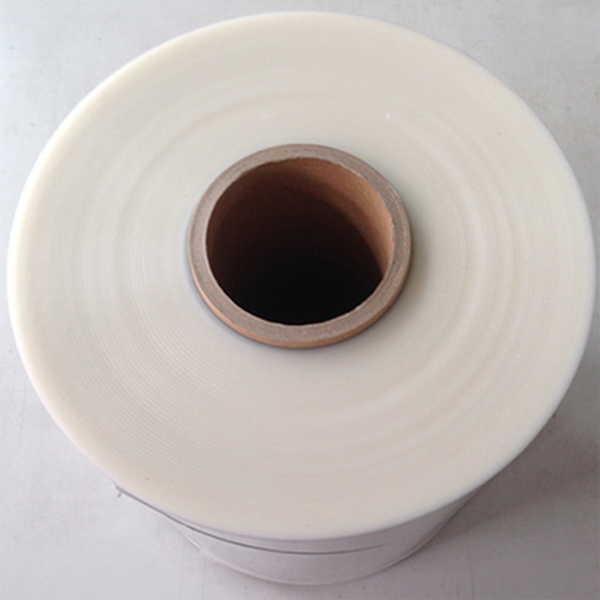
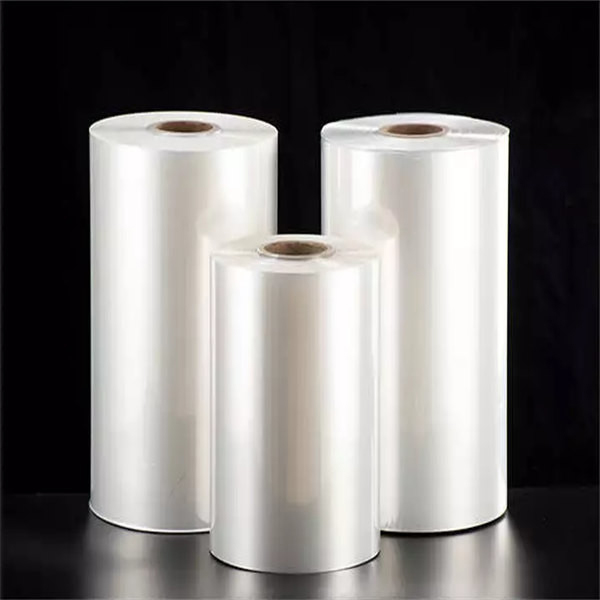
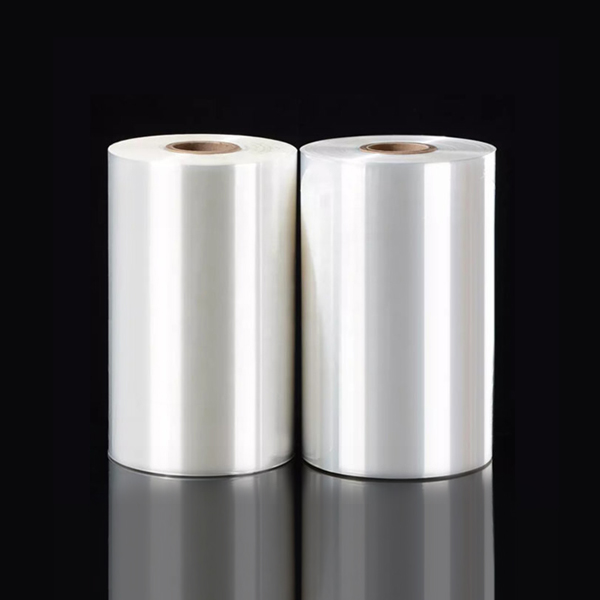
POF plastic film has emerged as the dominant material in shrink packaging due to its superior clarity, high tensile strength, and environmental safety. Unlike traditional PVC films, POF (Polyolefin) is non-toxic, recyclable, and offers excellent seal integrity, making it ideal for food, consumer goods, and industrial applications. Its ability to shrink uniformly at lower temperatures reduces energy consumption by up to 20% while maintaining a tight, glossy finish that enhances product visibility.
Key Physical and Chemical Properties of POF
Understanding the technical specifications of POF plastic film helps manufacturers select the right grade for their specific needs. The material's molecular structure provides a unique balance of flexibility and durability.
High Clarity and Gloss
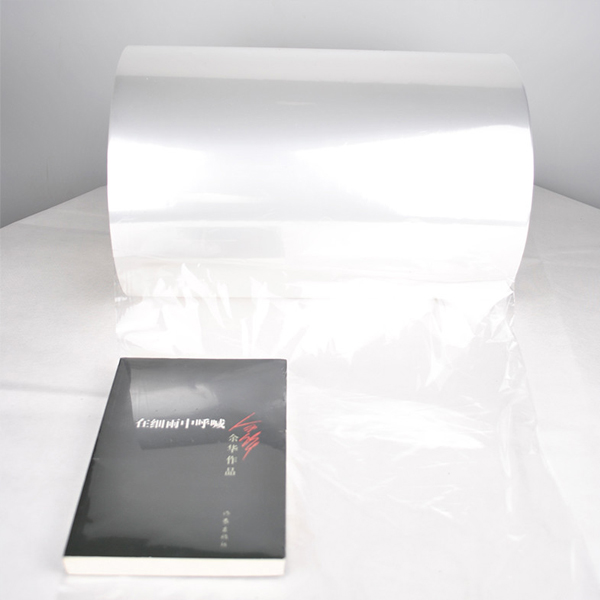
POF film offers exceptional transparency, often exceeding 90% light transmission. This crystal-clear appearance allows consumers to inspect products without opening the package, which is crucial for retail environments. The high gloss finish also improves print quality for branding and labeling.
Strength and Puncture Resistance
Despite being lightweight, POF exhibits high tensile strength and puncture resistance. It can withstand significant stress during shipping and handling without tearing. This durability allows for down-gauging, where thinner films are used without compromising protection, leading to material cost savings.
Thermal Stability and Shrinkage
POF shrinks consistently in both machine and transverse directions. It typically achieves a shrinkage rate of 70-80% when exposed to heat between 120°C and 150°C. This wide sealing window prevents burn-through and ensures a secure seal even at high line speeds.
Comparative Analysis: POF vs. PVC and PE Films
Choosing the right shrink film depends on balancing cost, performance, and environmental impact. The following table highlights how POF plastic film compares to other common materials.
| Property | POF Film | PVC Film | PE Film |
|---|---|---|---|
| Environmental Impact | Recyclable, Non-toxic | Releases Chlorine, Hard to Recycle | Recyclable, Bulky |
| Clarity | Excellent | Good | Hazy/Cloudy |
| Shrink Temperature | Low (120-150°C) | Medium (140-160°C) | High (160-180°C) |
| Tear Strength | High | Low | Very High |
Optimizing Machine Settings for POF Processing
To maximize the performance of POF plastic film, precise adjustment of packaging machinery is essential. Incorrect settings can lead to poor seals, film breakage, or uneven shrinking.
- Sealing Bar Temperature: Maintain between 120°C and 140°C. Use a Teflon-coated bar to prevent sticking and ensure clean cuts.
- Conveyor Speed: Match the conveyor speed to the shrink tunnel's heat capacity. Typical speeds range from 10 to 30 meters per minute depending on product size.
- Airflow Management: Ensure balanced airflow in the shrink tunnel to prevent the film from shifting or wrinkling during the shrinking process.
- Film Tension: Adjust unwind tension to be light but consistent. Excessive tension can cause elongation, leading to distortion after shrinking.
Sustainability and Future Trends in POF Usage
As global regulations tighten on single-use plastics, POF plastic film stands out as a sustainable option. It is fully recyclable under category 4 (LDPE) in many regions and does not release harmful dioxins when incinerated. Manufacturers are increasingly adopting mono-material POF structures to enhance recyclability further.
Innovation in bio-based polyolefins is also on the horizon, aiming to reduce the carbon footprint of production. By switching to POF, companies not only improve their packaging aesthetics but also align with corporate social responsibility goals, appealing to eco-conscious consumers.
Recommended Products
Contact Us
Want To Know More?

- E-mail: [email protected]
- Phone: +86-18761594570 ( Miss. Jenny Chen )
- WhatsApp: +86-18761594570
- Address : No. 58-2, Panlongshan Road, Shanguan Town, Jiangyin City, Jiangsu Province, China
Product Categories
Follow Us
Copyright © 2025 by Jiangyin Guanghong Packing Materials Co., Ltd. Rights Reserved.
 POF Shrink Film Manufacturers