


 English
 Español
Looking forward to your message
Our factory was established in 2006
-
 Mobile/Whats app/Wechat: +86-18761594570 ( Miss. Jenny Chen )
-
 E-mail: [email protected]
POF Shrink Wrap Film: Benefits, Uses & Selection Guide
Content
The Superior Choice for Modern Packaging Solutions
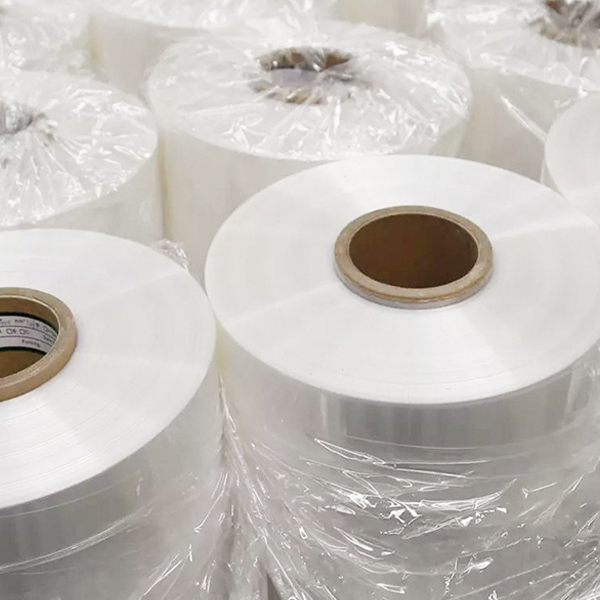
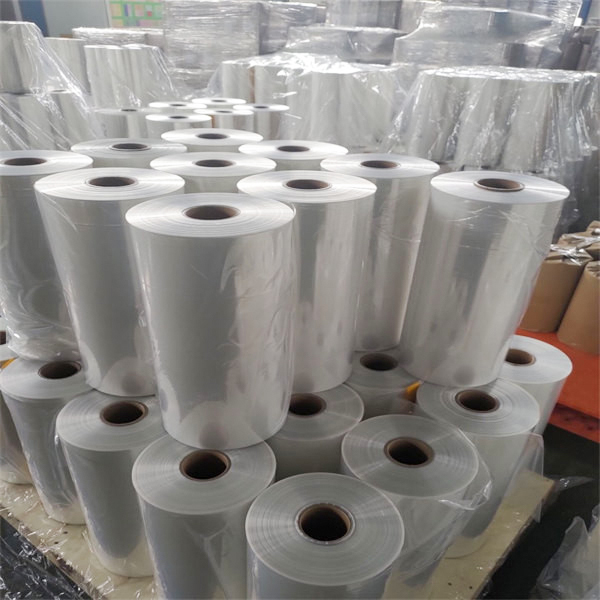
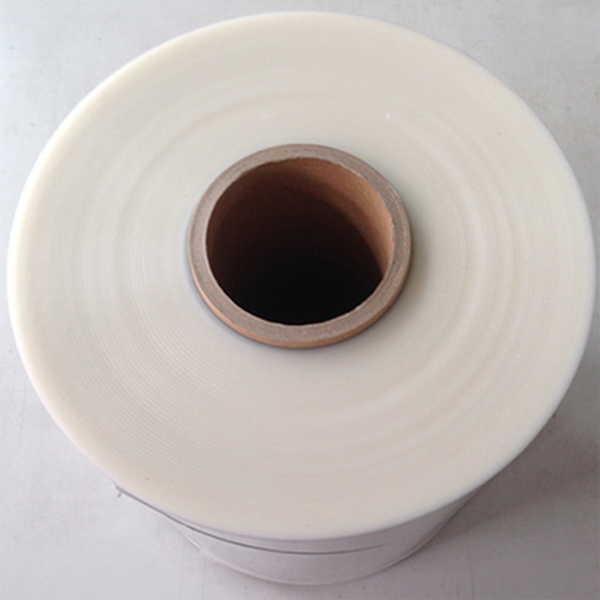
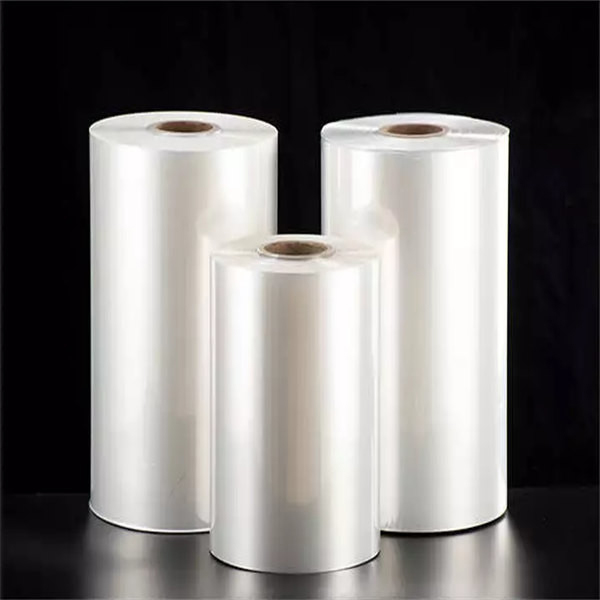
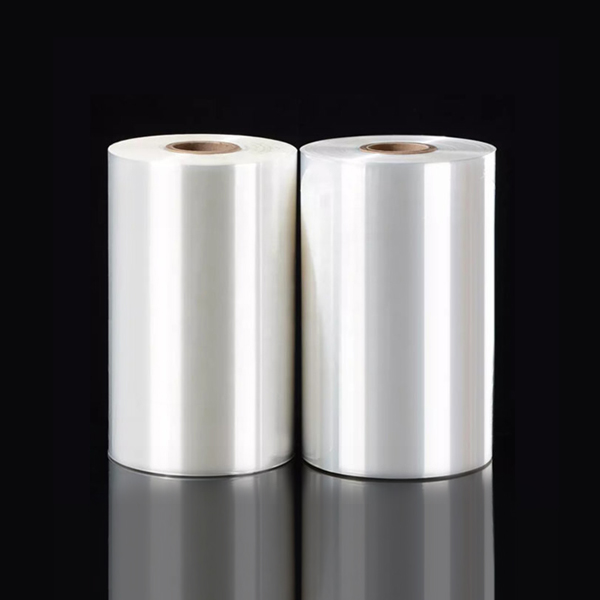
POF shrink wrap film (Polyolefin) has emerged as the premier material for bundling, protecting, and presenting products across various industries. Unlike traditional PVC or PE films, POF offers a unique combination of high clarity, exceptional strength, and environmental safety. It is widely recognized for its ability to provide a tight, glossy finish that enhances product visibility while ensuring robust protection against dust, moisture, and tampering.
The immediate advantage of switching to POF is its operational efficiency. It shrinks at lower temperatures than many alternatives, reducing energy consumption by up to 20-30% in high-volume packaging lines. Furthermore, its durability means less material is needed to achieve the same level of protection, leading to cost savings and reduced waste. For businesses aiming to improve their sustainability profile, POF is fully recyclable and free from toxic chlorines, making it a compliant choice for strict environmental regulations.
Key Advantages Over Traditional Materials
Understanding why POF outperforms older materials like PVC (Polyvinyl Chloride) and LDPE (Low-Density Polyethylene) requires looking at its physical and chemical properties. POF is a co-extruded multi-layer film, typically consisting of five layers, which provides superior performance characteristics.
Clarity and Aesthetic Appeal
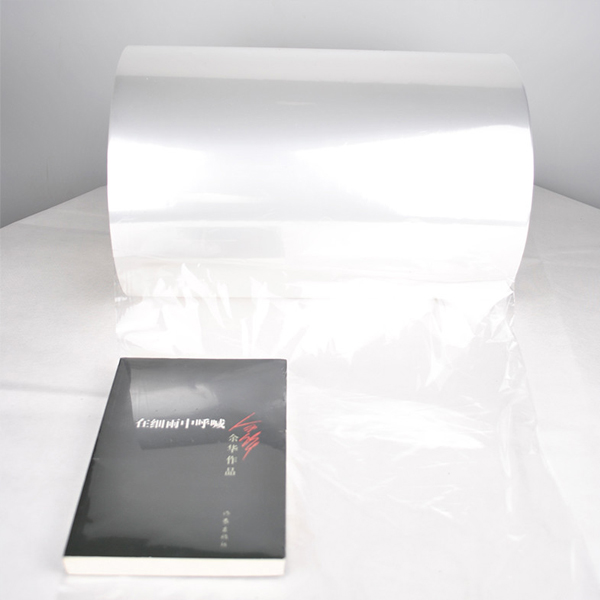
POF film offers crystal-clear transparency with a high-gloss finish. This "glass-like" appearance significantly enhances shelf appeal, allowing consumers to see the product clearly without distortion. In contrast, PVC can yellow over time, and LDPE often appears cloudy or hazy.
Strength and Durability
Despite being thinner, POF is incredibly strong. It has high puncture resistance and tear strength, meaning it can secure heavy or sharp-edged items without breaking. This allows manufacturers to downgage (use thinner film) without compromising integrity, further reducing material costs.
| Feature | POF Film | PVC Film | LDPE Film |
|---|---|---|---|
| Clarity | Excellent | Good (Yellows) | Fair (Cloudy) |
| Shrink Temperature | Low (120-150°C) | Medium (140-180°C) | High (160-200°C) |
| Environmental Impact | Recyclable/Non-Toxic | Toxic Fumes/Hard to Recycle | Recyclable |
| Seal Strength | High | Medium | Low |
Versatile Applications Across Industries
The adaptability of POF shrink wrap film makes it suitable for a wide range of packaging needs. Its ability to conform to irregular shapes while maintaining a tight seal is particularly valuable in sectors where product presentation and security are paramount.
Retail and Consumer Goods
In retail, POF is the standard for boxing software, cosmetics, confectionery, and stationery. The high gloss finish acts as a silent salesman, catching the consumer's eye on crowded shelves. Additionally, the tight shrink provides tamper evidence, assuring customers that the product has not been opened.
Food and Beverage
POF is FDA-approved for direct food contact, making it safe for wrapping fresh produce, frozen foods, and bakery items. Its breathability can be adjusted to prevent condensation buildup, which helps extend the shelf life of fresh products. It is also commonly used for multi-packing bottles and cans, providing a stable and secure unit for transport.
- Ideal for bundling promotional items and gift sets.
- Protects magazines and printed materials from moisture.
- Secures automotive parts and hardware for distribution.
Technical Considerations for Implementation
Transitioning to or optimizing the use of POF shrink wrap film requires attention to technical parameters. While POF is user-friendly, achieving the perfect shrink requires balancing temperature, speed, and air flow in the shrink tunnel.
Because POF shrinks at a lower temperature, it is crucial to calibrate the shrink tunnel correctly to avoid overheating, which can cause the film to become brittle or burn. Typically, a tunnel temperature between 120°C and 150°C is optimal. Additionally, POF is sensitive to static electricity, so using anti-static bars or ionizers can help prevent the film from clinging to itself or machinery during the sealing process.
When selecting POF film, consider the gauge (thickness). Common gauges range from 12 microns to 30 microns. Lighter gauges are suitable for lightweight items like cards and boxes, while heavier gauges are necessary for sharp-edged or heavy industrial products. Choosing the right gauge ensures cost-efficiency without sacrificing protection.
Sustainability and Environmental Impact
In an era of increasing environmental consciousness, POF shrink wrap film stands out as a responsible choice. Unlike PVC, which releases hydrochloric acid and dioxins when burned, POF is non-toxic and safe for incineration. More importantly, it is fully recyclable under resin identification code #7 (Other) or #4 (LDPE/LLDPE blends), depending on the specific formulation and local recycling facilities.
Many manufacturers now offer bio-based POF options derived from renewable resources, further reducing the carbon footprint of packaging operations. By switching to POF, companies can meet corporate sustainability goals and comply with stringent regulations banning single-use plastics and hazardous materials in packaging. This shift not only benefits the environment but also enhances brand reputation among eco-conscious consumers.
Recommended Products
Contact Us
Want To Know More?

- E-mail: [email protected]
- Phone: +86-18761594570 ( Miss. Jenny Chen )
- WhatsApp: +86-18761594570
- Address : No. 58-2, Panlongshan Road, Shanguan Town, Jiangyin City, Jiangsu Province, China
Product Categories
Follow Us
Copyright © 2025 by Jiangyin Guanghong Packing Materials Co., Ltd. Rights Reserved.
 POF Shrink Film Manufacturers