


 English
 Español
Looking forward to your message
Our factory was established in 2006
-
 Mobile/Whats app/Wechat: +86-18761594570 ( Miss. Jenny Chen )
-
 E-mail: [email protected]
POF Shrink Roll: Benefits, Specs, and Usage Guide
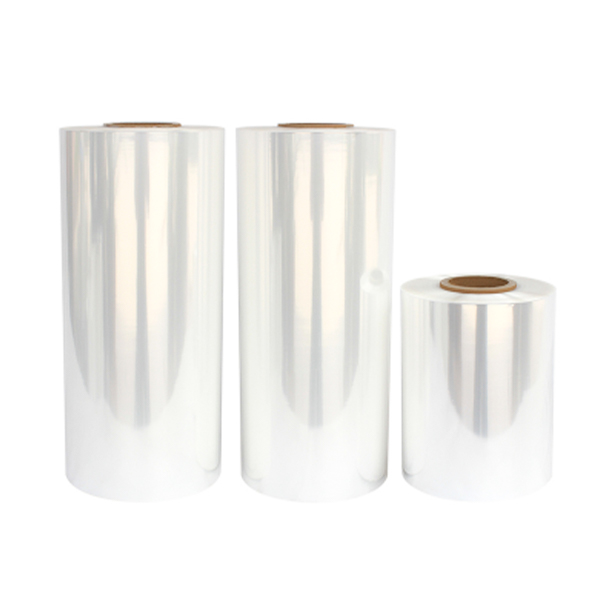
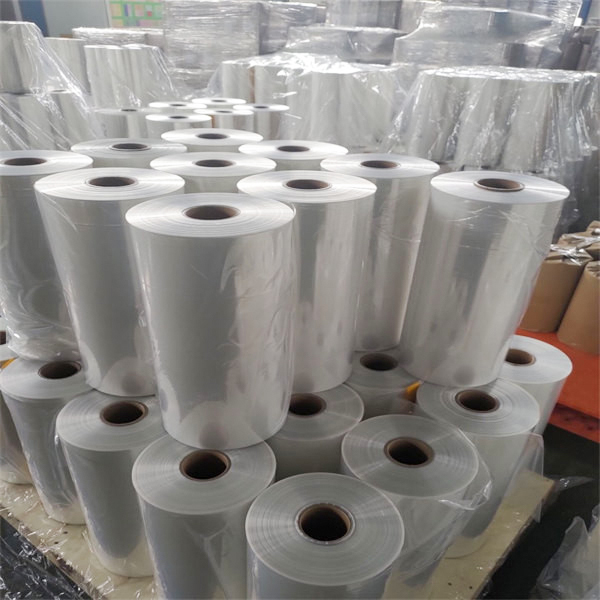
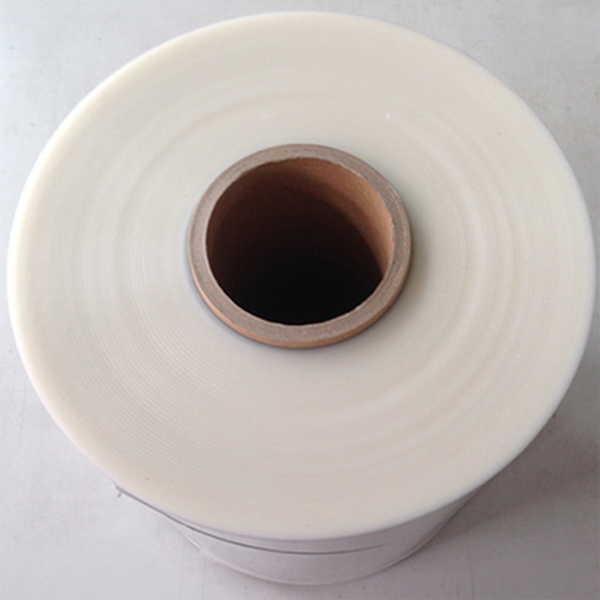
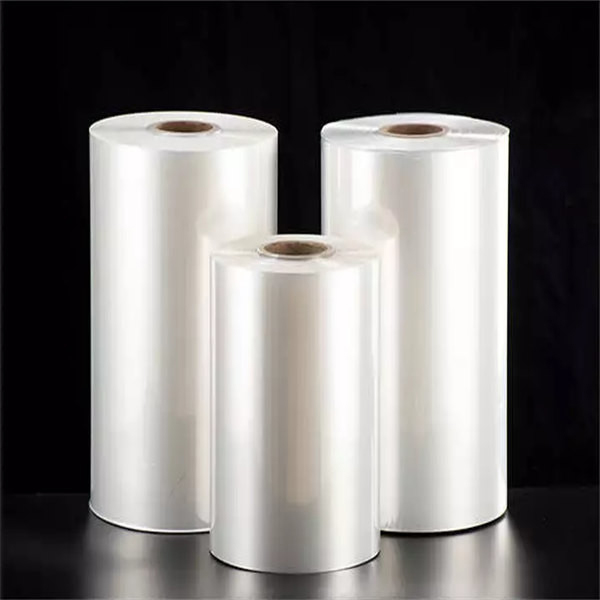
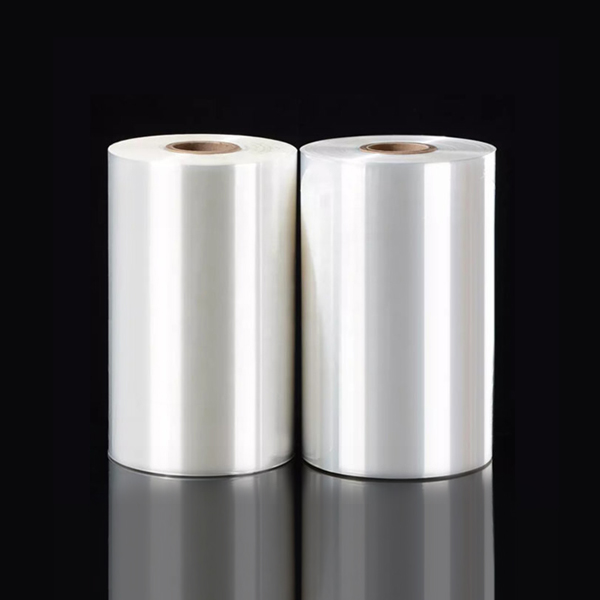
Polyolefin (POF) shrink film has become the industry standard for high-quality retail packaging due to its superior clarity, strength, and environmental safety. A POF shrink roll offers excellent shrinkage rates, typically between 75% and 80%, ensuring a tight, tamper-evident seal around products of irregular shapes. Unlike older PVC films, POF is non-toxic, recyclable, and does not release harmful chlorines when heated, making it the preferred choice for food items, consumer electronics, and cosmetic bundles.
Content
Key Advantages of Polyolefin Film
Switching to or selecting a POF shrink roll provides distinct operational and aesthetic benefits over traditional packaging materials. Understanding these advantages helps businesses justify the investment in higher-quality film.
Enhanced Clarity and Gloss
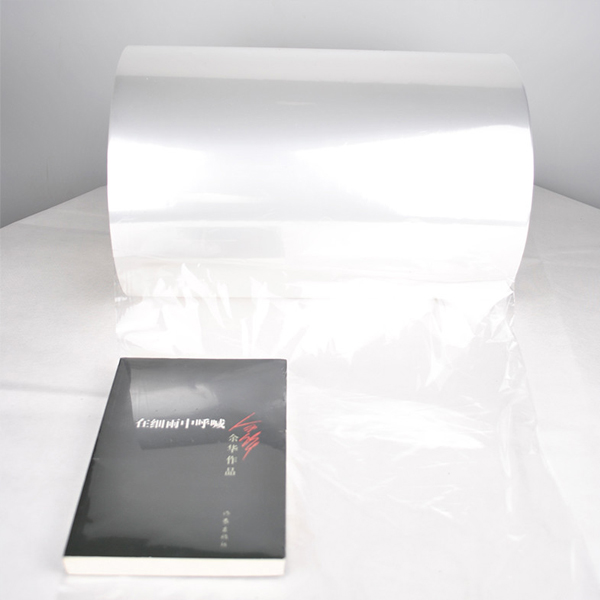
POF film offers exceptional transparency and a high-gloss finish, which significantly enhances product visibility on shelves. This "glass-like" appearance allows consumers to inspect the product without opening the package, increasing trust and purchase likelihood. The film remains clear even after shrinking, avoiding the hazy or cloudy look often associated with lower-quality polyethylene (PE) films.
Durability and Puncture Resistance
Despite its thin profile, POF is incredibly tough. It has high tensile strength and puncture resistance, protecting products during shipping and handling. A standard 15-micron (60 gauge) POF film can withstand significant stress without tearing, reducing the rate of package failure and product returns. This durability allows manufacturers to use thinner gauges, reducing material costs per unit.
Technical Specifications and Selection
Choosing the right POF shrink roll requires understanding key technical metrics such as gauge, shrink ratio, and seal integrity. These factors determine compatibility with your machinery and the final look of the package.
| Gauge (Microns) | Thickness (Inches) | Typical Application |
|---|---|---|
| 38 (15 microns) | 0.0006" | Lightweight items: CDs, cosmetics, small boxes |
| 60 (23 microns) | 0.0009" | General purpose: Food trays, software boxes, books |
| 75 (30 microns) | 0.0012" | Heavy items: Multi-packs, hardware, large bundles |
| 100 (38 microns) | 0.0015" | Industrial: Large pallets, heavy machinery parts |
Most POF films are cross-linked, meaning they have been irradiated to strengthen the molecular structure. This process prevents the film from melting through during sealing and allows for higher shrink forces. Always verify if your machine supports cross-linked film, as it requires slightly higher sealing temperatures.
Operational Best Practices for Shrink Packaging
Achieving a perfect shrink wrap requires precise control over machine settings. Incorrect temperature or speed can lead to wrinkles, burns, or incomplete shrinking.
Temperature and Speed Balance
The ideal sealing temperature for POF film typically ranges between 120°C and 160°C (248°F - 320°F), depending on the gauge. The shrink tunnel temperature should be set between 130°C and 180°C (266°F - 356°F)**. If the film appears cloudy or brittle, the temperature is too high. If the film is loose or wrinkled, the temperature is too low or the conveyor speed is too fast. Start with lower temperatures and gradually increase until the desired tightness is achieved.
Seal Integrity Checks
A strong seal is critical for tamper evidence. Regularly inspect the seal area for consistency. The seal should be smooth, transparent, and free of holes or char marks. If using an L-bar sealer, ensure the cutting wire is clean and taut to prevent dragging the film. For side sealers, check the dwell time and pressure settings to ensure a uniform bond across the entire length of the package.
Environmental Impact and Sustainability
As businesses face increasing pressure to adopt sustainable practices, POF shrink rolls offer a greener alternative to PVC and some PE films.
- Recyclability: POF is classified as #7 OTHER plastic but is widely accepted in recycling streams that handle polyethylene mixes. It does not contain chlorine, making it safer to recycle than PVC.
- Non-Toxic Combustion: In waste-to-energy facilities, POF burns cleanly, producing only carbon dioxide and water vapor. It does not release dioxins or hydrochloric acid, which are hazardous byproducts of burning PVC.
- Material Reduction: Due to its high strength, POF allows for downgauging. Switching from a 75-gauge to a 60-gauge film can reduce material usage by 20% without compromising protection, directly lowering plastic waste and shipping weight.
Recommended Products
Contact Us
Want To Know More?

- E-mail: [email protected]
- Phone: +86-18761594570 ( Miss. Jenny Chen )
- WhatsApp: +86-18761594570
- Address : No. 58-2, Panlongshan Road, Shanguan Town, Jiangyin City, Jiangsu Province, China
Product Categories
Follow Us
Copyright © 2025 by Jiangyin Guanghong Packing Materials Co., Ltd. Rights Reserved.
 POF Shrink Film Manufacturers