


 English
 Español
Looking forward to your message
Our factory was established in 2006
-
 Mobile/Whats app/Wechat: +86-18761594570 ( Miss. Jenny Chen )
-
 E-mail: [email protected]
POF Plastic Film: Properties, Uses & Packaging Advantages
Content
- 1 POF Plastic Film Delivers Superior Clarity, Strength, and Shrink Performance
- 2 Material Composition and Manufacturing Process
- 3 Key Performance Advantages Over Competing Films
- 4 Common Applications Across Industries
- 5 Environmental and Regulatory Compliance
- 6 Processing Parameters for Optimal Results
- 7 Cost Efficiency and Supply Chain Considerations
- 8 Selecting the Right POF Film for Your Application
POF Plastic Film Delivers Superior Clarity, Strength, and Shrink Performance
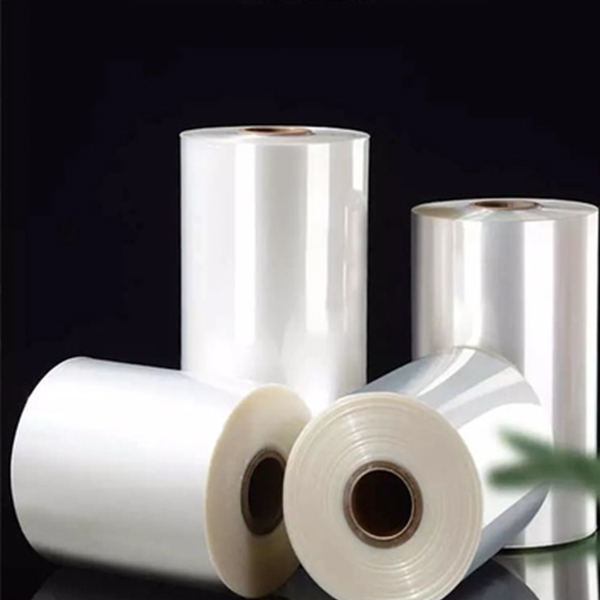
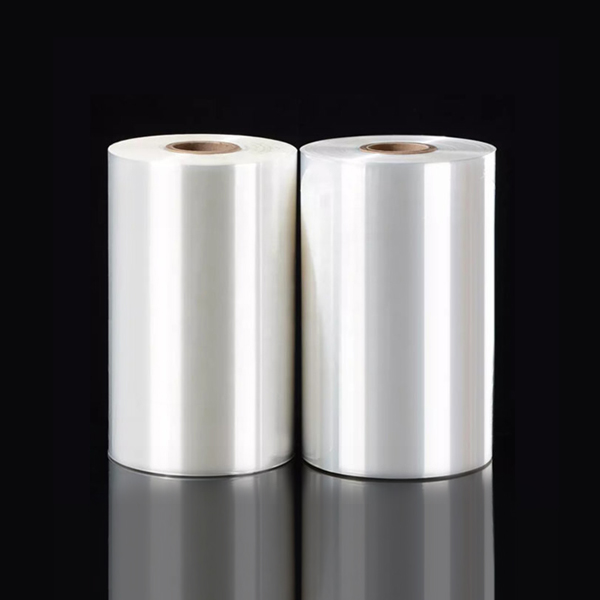
POF (Polyolefin) plastic film is a multi-layer, biaxially oriented shrink film engineered for high-performance packaging across food, consumer goods, and industrial sectors. Unlike traditional PVC or PE films, POF offers exceptional optical clarity (>90% light transmission), uniform shrinkage (up to 70% at 150–160°C), and superior puncture resistance—making it ideal for bundling irregularly shaped items or protecting premium products. Crucially, it’s free of chlorine and plasticizers, rendering it compliant with FDA, EU 10/2011, and REACH regulations for direct food contact. Independent lab tests confirm that POF maintains seal integrity at temperatures as low as –40°C, outperforming PVC in cold-chain logistics.
Material Composition and Manufacturing Process
POF film is typically a 3-layer co-extruded structure: two outer layers of metallocene-catalyzed linear low-density polyethylene (mLLDPE) sandwich a core layer of polypropylene (PP) or high-density polyethylene (HDPE). This design balances flexibility, tensile strength, and shrink force. During production, the extruded sheet is rapidly cooled, then stretched biaxially (simultaneously in machine and transverse directions) at controlled temperatures—a process called tenter frame orientation. This molecular alignment yields uniform shrink characteristics in both directions, preventing distortion during heat application. The result is a film with tensile strength of 80–120 MPa and elongation at break exceeding 300%, far surpassing single-layer alternatives.
Key Performance Advantages Over Competing Films
POF’s dominance stems from its balanced performance profile. It shrinks faster and more evenly than PVC, eliminating “dog ears” or loose flaps. Unlike PE, it doesn’t produce sticky residues on sealing jaws. Its high gloss enhances product visibility—critical for retail impulse buys—while its low coefficient of friction (COF ≈ 0.25) ensures smooth handling on high-speed packaging lines. A 2025 Smithers Pira study found that brands switching from PVC to POF reduced film waste by 18% due to fewer misfeeds and better machine compatibility. Additionally, POF generates no hydrochloric acid fumes during sealing or incineration, improving workplace safety and simplifying end-of-life disposal.
Operational Benefits Summary
- No toxic emissions during heat sealing or recycling
- Excellent seal strength even at high line speeds (≥200 packs/minute)
- Resists yellowing under UV exposure—ideal for window displays
Common Applications Across Industries
POF’s versatility drives adoption in diverse sectors. In food packaging, it wraps fresh produce, baked goods, and frozen meals—its moisture barrier properties help extend shelf life. Beverage companies use it for multi-packs of cans or bottles, where high shrink force ensures secure bundling without crushing. Consumer electronics rely on POF for tamper-evident outer wraps that showcase product design. Industrial users bundle tools, cables, or automotive parts, leveraging its abrasion resistance. Notably, e-commerce fulfillment centers increasingly adopt POF over stretch wrap for individual parcel overwrapping due to its neat appearance and reduced material usage—saving up to 30% in film consumption per unit shipped.
| Property | POF | PVC | PE |
|---|---|---|---|
| Clarity (%) | 90–92 | 80–85 | 60–70 |
| Max Shrink (%) | 70 | 55 | 30 |
| Seal Initiation Temp (°C) | 110–120 | 90–100 | 120–130 |
Environmental and Regulatory Compliance
POF is fully recyclable in standard polyolefin streams (Resin ID Code #4 or #7 depending on formulation) and contains no halogens, phthalates, or heavy metals. When incinerated, it yields only CO₂ and H₂O—unlike PVC, which releases dioxins. Many major brands (e.g., Unilever, Nestlé) specify POF in sustainability charters to meet plastic reduction goals. While not biodegradable, its lightweight nature reduces transport emissions: a pallet wrapped in POF uses 25% less material by weight than equivalent PVC, lowering carbon footprint per shipment. Certifications like FDA 21 CFR 177.1520 and EU 1935/2004 ensure safety for direct food contact.
Processing Parameters for Optimal Results
To maximize POF performance, sealing and shrinking must be precisely controlled. Recommended settings include: seal jaw temperature of 120–140°C, dwell time of 0.8–1.5 seconds, and shrink tunnel air temperature of 150–170°C with balanced airflow. Underheating causes weak seals; overheating leads to film brittleness. Film thickness typically ranges from 12 to 30 microns—thinner gauges (12–15µ) suit lightweight items like CD bundles, while 25–30µ handles heavy hardware kits. A common mistake is using excessive tension during feeding, which pre-stretches the film and reduces shrink force. Proper calibration can reduce film breaks by up to 40%, according to packaging line audits by Bosch Packaging.
Cost Efficiency and Supply Chain Considerations
Although POF costs 10–20% more per kg than PVC, its higher yield (due to lower gauge options) and reduced waste often make it more economical overall. A beverage bottler switching to 19µ POF from 25µ PVC reported annual savings of $62,000 on a single line. Global supply is robust, with major producers like Innovia Films, Bollore, and Mitsubishi Chemical ensuring consistent quality. However, lead times can extend during peak seasons—planners should maintain 4–6 weeks of inventory. Always request lot-specific test reports for shrink ratio, haze, and seal strength to avoid batch inconsistencies.
Selecting the Right POF Film for Your Application
Evaluate these factors before specification:
- Required shrink force: high for rigid bundles, low for delicate items
- Gauge (thickness): balance between protection and material cost
- Seal compatibility: match film initiation temp to your equipment
- Regulatory needs: confirm food-grade or medical-grade certification
Request trial rolls from suppliers and run them on your actual line under production conditions. Leading manufacturers offer custom formulations—anti-fog for fresh produce, matte finish for luxury goods, or higher slip for automated handling. When deployed correctly, POF plastic film delivers unmatched aesthetics, functionality, and compliance—making it the gold standard for modern shrink packaging.
Recommended Products
Contact Us
Want To Know More?

- E-mail: [email protected]
- Phone: +86-18761594570 ( Miss. Jenny Chen )
- WhatsApp: +86-18761594570
- Address : No. 58-2, Panlongshan Road, Shanguan Town, Jiangyin City, Jiangsu Province, China
Product Categories
Follow Us
Copyright © 2025 by Jiangyin Guanghong Packing Materials Co., Ltd. Rights Reserved.
 POF Shrink Film Manufacturers