


 English
 Español
Looking forward to your message
Our factory was established in 2006
-
 Mobile/Whats app/Wechat: +86-18761594570 ( Miss. Jenny Chen )
-
 E-mail: [email protected]
POF Shrink Wrap Film: Benefits, Specs & Packaging Guide
Content
The Superiority of Polyolefin in Modern Packaging
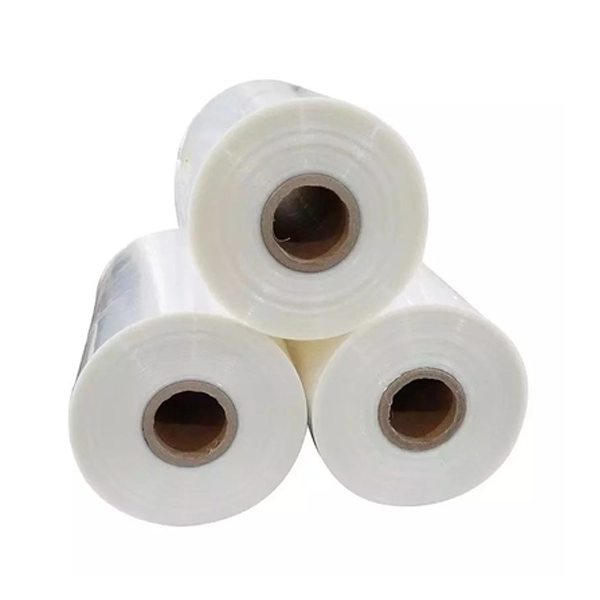
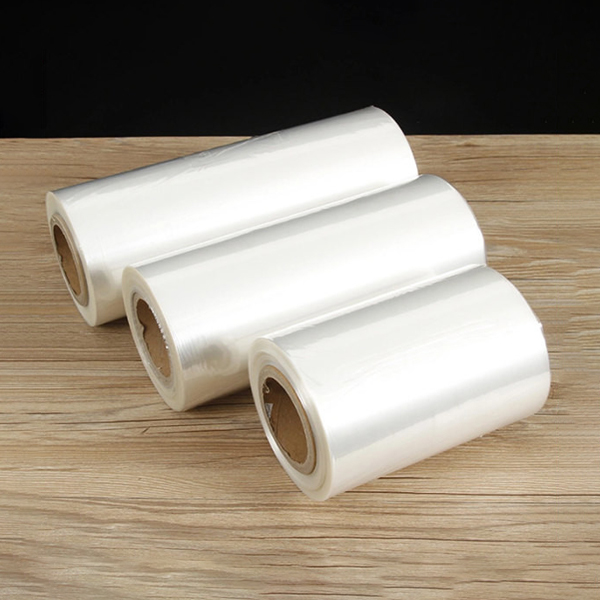
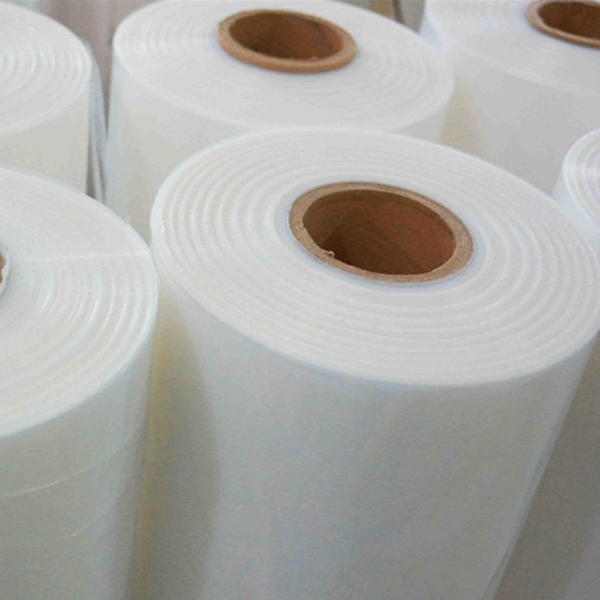
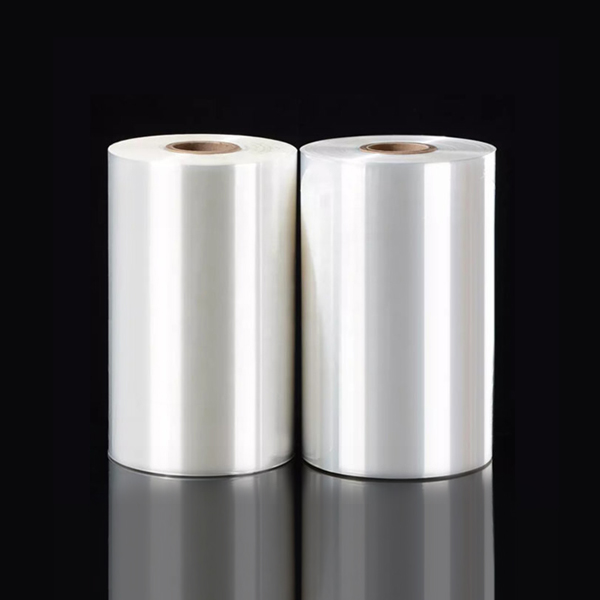
POF (Polyolefin) shrink wrap film has become the industry standard for high-clarity, durable packaging, replacing older PVC and PE materials in most retail and industrial applications. Its primary advantage lies in its exceptional tear resistance and optical clarity, which enhances product visibility while providing robust protection against dust, moisture, and tampering. Unlike PVC, POF is non-toxic, does not release hydrochloric acid when heated, and is fully recyclable, making it the preferred choice for environmentally conscious brands and food-safe packaging.
Manufacturers favor POF because it shrinks at lower temperatures (typically 120–150°C) compared to other plastics, reducing energy consumption by up to 25% in high-volume operations. It offers a balanced shrink force that secures products tightly without distorting lightweight or fragile items, ensuring consistent package integrity across diverse product shapes.
Technical Properties and Performance Metrics
Understanding the technical specifications of POF film is crucial for selecting the right grade for specific packaging needs. Key performance indicators include thickness, shrink percentage, and tensile strength.
| Property | Typical Range | Impact on Packaging |
|---|---|---|
| Thickness (Gauge) | 12–30 microns (48–120 gauge) | Thinner films for light items; thicker for sharp/heavy products |
| Shrink Percentage | 50–75% | Higher shrink allows tighter conformity to complex shapes |
| Seal Strength | High (Cross-linked structure) | Prevents burst-open during handling and transit |
| Clarity/Haze | < 2% Haze | Crystal-clear visibility for retail appeal |
Cross-Linked vs. Non-Cross-Linked
Most high-performance POF films are cross-linked, meaning the polymer chains are chemically bonded to create a stronger, more durable matrix. Cross-linked POF offers superior puncture resistance and maintains integrity even if torn, preventing the "zipper effect" common in non-cross-linked films. This makes it ideal for multi-packs, hardware, and items with sharp edges.
POF vs. PVC and PE: A Comparative Analysis
While PVC and PE were once dominant, POF has displaced them in many sectors due to safety and performance advantages. Choosing the right material depends on the specific application requirements.
- Environmental Safety: PVC releases toxic chlorine gas and dioxins when burned, posing health risks and disposal challenges. POF is non-toxic and recyclable (Resin ID Code #7 or #4 depending on blend), aligning with strict environmental regulations like EU Directive 94/62/EC.
- Clarity and Aesthetics: POF provides a glass-like clarity that enhances product presentation. PE film often appears cloudy or hazy, which can detract from the visual appeal of retail goods.
- Machine Compatibility: POF runs smoothly on high-speed automatic L-bar sealers and sleeve wrappers. It has a wider sealing temperature window, reducing the risk of burn-through or weak seals compared to PVC, which requires precise temperature control.
- Cost Efficiency: Although POF may have a higher per-kg cost than PE, its higher yield (more square meters per kg) and reduced waste due to fewer breaks often result in a lower total cost per package.
Optimizing Machine Settings for POF Film
Achieving a perfect shrink requires precise calibration of the packaging equipment. Incorrect settings can lead to wrinkles, burns, or incomplete shrinking.
- Sealing Temperature: Set the sealer bar between 130–160°C. POF seals quickly, so dwell time should be short (0.5–1.5 seconds). Too much heat causes film distortion; too little results in weak seals that burst under tension.
- Tunnel Temperature: The shrink tunnel should be maintained at 120–150°C. Use a variable speed conveyor to adjust exposure time. For thin films (12–15 microns), lower temperatures and faster speeds prevent melting. For thick films (20+ microns), higher heat ensures full shrinkage.
- Airflow Management: Ensure even airflow in the tunnel. Uneven heating causes one side to shrink faster than the other, leading to twisted packages. Adjust baffles to direct hot air uniformly around the product.
- Film Tension: Maintain consistent unwind tension. Too much tension stretches the film before sealing, causing it to recoil and wrinkle after shrinking. Too little tension leads to loose bags and poor seal alignment.
Troubleshooting Common Issues
If wrinkles appear, reduce the sealing temperature or increase the film thickness. If the film burns or holes form, lower the tunnel temperature or increase conveyor speed. For hazy seals, check for contamination on the sealing bar and clean it with a brass brush or specialized cleaner. Regular maintenance of the machine ensures consistent quality and minimizes downtime.
Applications and Industry Best Practices
POF shrink wrap film is versatile, serving industries ranging from food and beverage to electronics and pharmaceuticals. Its FDA compliance makes it safe for direct food contact, such as wrapping trays of meat, cheese, or produce.
- Retail Multi-Packs: Bundling bottles, cans, or boxes securely while maintaining barcode scanability. The high clarity allows promotional graphics on individual items to remain visible.
- Software and Electronics: Providing tamper-evident protection for CDs, DVDs, and small electronic devices. The tight shrink prevents box opening in transit, reducing theft and returns.
- Printed Media: Wrapping magazines, books, and catalogs to protect against moisture and dirt during distribution. POF’s smooth surface allows for easy sliding into mailers or display racks.
To maximize sustainability, businesses should opt for recyclable POF grades and implement film recycling programs. Using thinner gauges where possible reduces plastic usage without compromising protection, contributing to corporate social responsibility goals and reducing material costs.
Recommended Products
Contact Us
Want To Know More?

- E-mail: [email protected]
- Phone: +86-18761594570 ( Miss. Jenny Chen )
- WhatsApp: +86-18761594570
- Address : No. 58-2, Panlongshan Road, Shanguan Town, Jiangyin City, Jiangsu Province, China
Product Categories
Follow Us
Copyright © 2025 by Jiangyin Guanghong Packing Materials Co., Ltd. Rights Reserved.
 POF Shrink Film Manufacturers