


 English
 Español
Looking forward to your message
Our factory was established in 2006
-
 Mobile/Whats app/Wechat: +86-18761594570 ( Miss. Jenny Chen )
-
 E-mail: [email protected]
POF Shrink Wrap Film: Benefits, Uses & Selection Guide
Content
Superior Clarity and Strength in Product Packaging
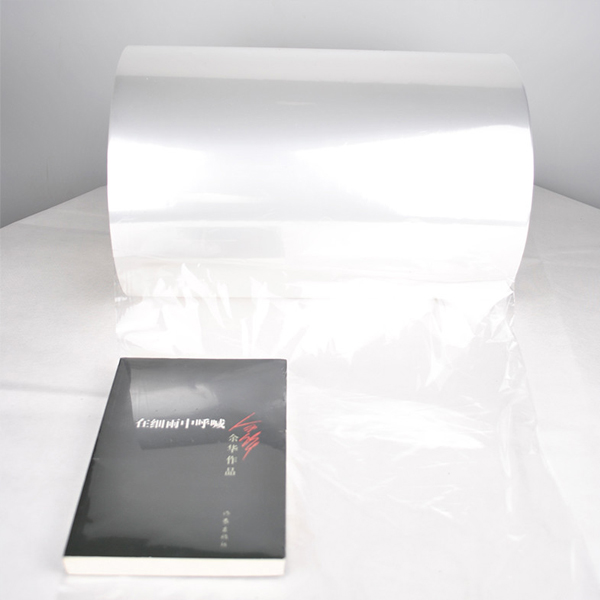
POF (Polyolefin) shrink wrap film is the preferred choice for modern packaging due to its exceptional clarity, high tensile strength, and environmental safety. Unlike traditional PVC films, POF offers a crystal-clear finish that enhances product visibility on shelves, making it ideal for retail items where aesthetic appeal drives sales. Its multi-layer co-extruded structure provides superior puncture resistance, ensuring products remain secure during transit and handling.
The shift towards POF is also driven by regulatory and consumer demand for safer materials. POF is non-toxic and does not release harmful chlorine gases when heated, making it compliant with strict food contact regulations. It is fully recyclable and recognized as an eco-friendly alternative, helping brands meet sustainability goals without compromising on packaging performance.
Key Advantages Over PVC
- Environmental Safety: Free from chlorine and heavy metals, producing no toxic fumes during shrinking.
- Enhanced Durability: Higher tear and puncture resistance reduces product damage and returns.
- Cost Efficiency: Lower density means more linear feet per kilogram, reducing material costs over time.
- Seal Integrity: Stronger seals prevent unraveling, even under rough handling conditions.
Technical Properties and Performance Metrics
Understanding the technical specifications of POF shrink wrap film is crucial for selecting the right grade for your application. POF films typically offer a shrinkage rate of 50-70%, allowing them to conform tightly to irregular shapes without distorting the product. This high shrink memory ensures a neat, professional appearance that protects items from dust, moisture, and tampering.
Comparison of Packaging Films
| Property | POF Film | PVC Film | PE Film |
|---|---|---|---|
| Clarity | Excellent | Good | Hazy/Translucent |
| Shrink Force | Low to Medium | High | Very Low |
| Toxicity | Non-Toxic | Releases Chlorine | Non-Toxic |
| Recyclability | 100% Recyclable | Difficult | Recyclable |
| Seal Strength | Very High | Moderate | High |
Temperature Sensitivity
POF film shrinks effectively at lower temperatures, typically between 120°C and 150°C (248°F - 302°F). This lower heat requirement reduces energy consumption for shrink tunnels and minimizes the risk of damaging heat-sensitive products. Operators can run machines at higher speeds with POF compared to PVC, increasing overall production throughput while maintaining a consistent, wrinkle-free finish.
Versatile Applications Across Industries
The versatility of POF shrink wrap film makes it suitable for a wide range of industries, from food and beverage to consumer electronics. Its ability to conform to complex shapes without tearing makes it ideal for bundling multiple items together, such as multi-packs of bottles, boxes, or promotional sets. This bundling capability not only secures products but also serves as a theft-deterrent mechanism in retail environments.
Food and Beverage Packaging
In the food industry, POF is widely used for wrapping trays of meat, cheese, and fresh produce. Its breathability can be adjusted during manufacturing to allow for gas exchange, extending the shelf life of fresh goods. Because it is FDA-compliant for direct food contact, it ensures consumer safety while providing a tight, hygienic seal that prevents contamination.
Consumer Goods and Electronics
For electronics, POF provides a static-free barrier that protects sensitive components from dust and minor impacts. The high gloss finish enhances the perceived value of products like software boxes, games, and small appliances. Its tamper-evident nature gives consumers confidence that the product has not been opened or altered before purchase.
Operational Best Practices for Shrink Wrapping
To achieve optimal results with POF shrink wrap film, proper machine setup and operational techniques are essential. Correctly balancing heat, airflow, and conveyor speed prevents common issues like burning, incomplete shrinking, or film distortion. Regular maintenance of sealing wires and Teflon guides ensures consistent seal quality and reduces downtime.
Troubleshooting Common Issues
- Film Burning: Reduce tunnel temperature or increase conveyor speed. Check for blocked air vents in the heating chamber.
- Poor Sealing: Clean the sealing wire and replace if worn. Adjust sealing time and temperature to match film thickness.
- Wrinkles: Ensure the film is centered correctly on the product. Adjust side seals to prevent trapping excess air.
- Incomplete Shrink: Increase heat exposure time or check if the film grade matches the product size and shape.
Storage and Handling
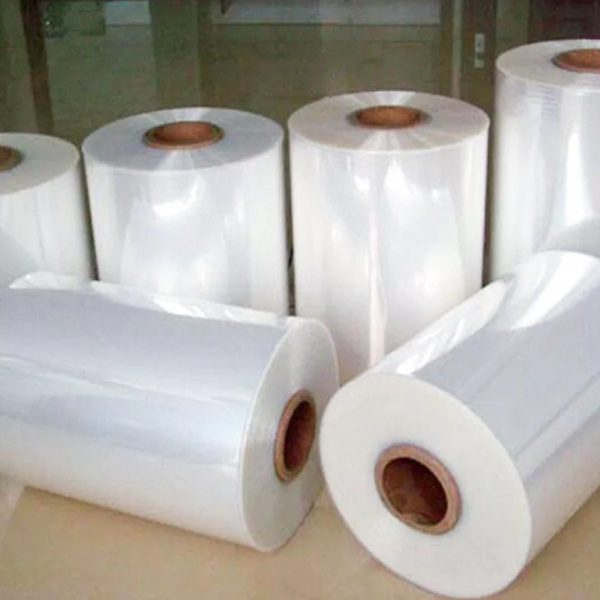
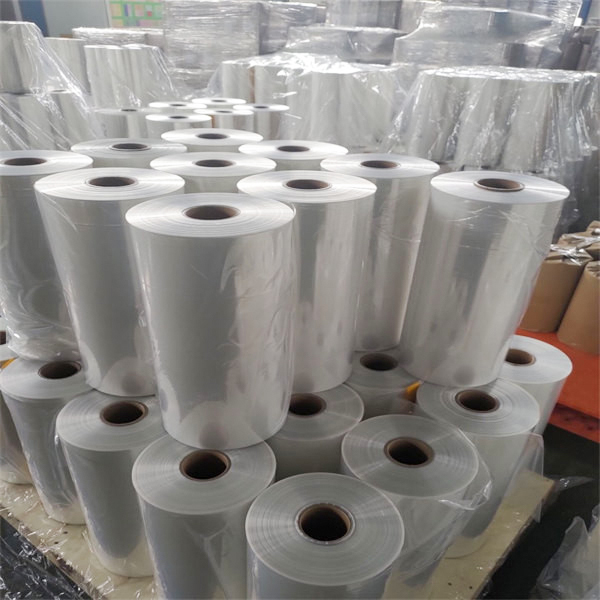
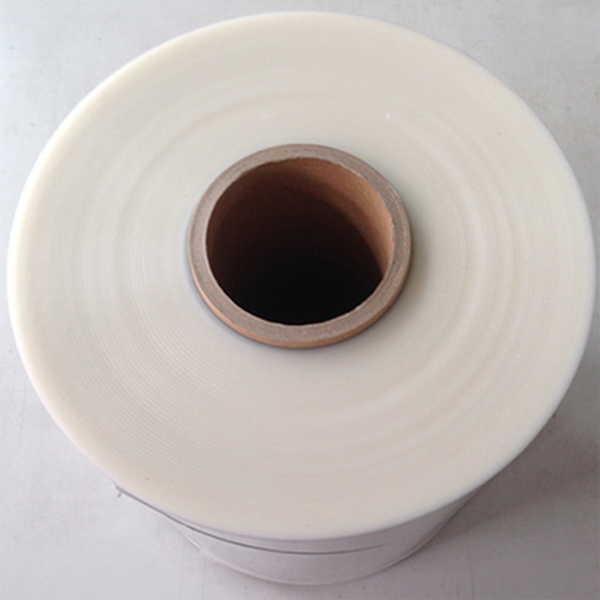
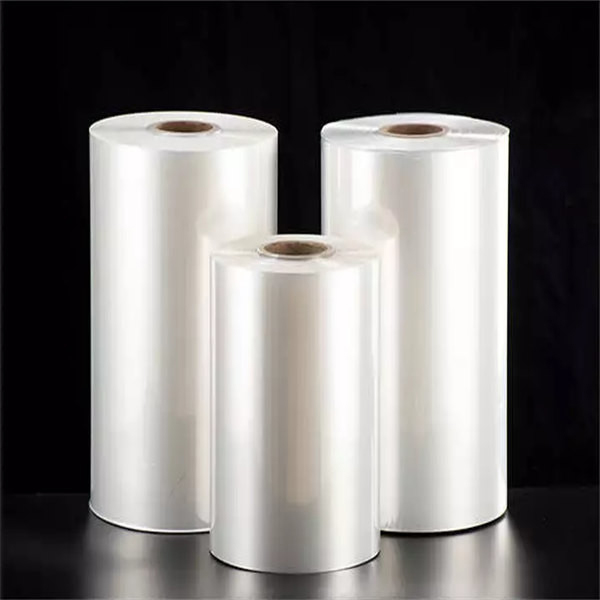
Store POF film rolls in a cool, dry place away from direct sunlight and heat sources. Exposure to UV light or high temperatures can degrade the film's properties, leading to brittleness or poor shrinking performance. Use rolls within 12 months of manufacture for best results, as older film may become difficult to seal and shrink evenly. Handle rolls with care to avoid dents or scratches that can cause web breaks during high-speed packaging operations.
Recommended Products
Contact Us
Want To Know More?

- E-mail: [email protected]
- Phone: +86-18761594570 ( Miss. Jenny Chen )
- WhatsApp: +86-18761594570
- Address : No. 58-2, Panlongshan Road, Shanguan Town, Jiangyin City, Jiangsu Province, China
Product Categories
Follow Us
Copyright © 2025 by Jiangyin Guanghong Packing Materials Co., Ltd. Rights Reserved.
 POF Shrink Film Manufacturers