


 English
 Español
Looking forward to your message
Our factory was established in 2006
-
 Mobile/Whats app/Wechat: +86-18761594570 ( Miss. Jenny Chen )
-
 E-mail: [email protected]
What Is POF Shrink Film Used For? Applications & Benefits
Content
Primary Uses of POF Shrink Film
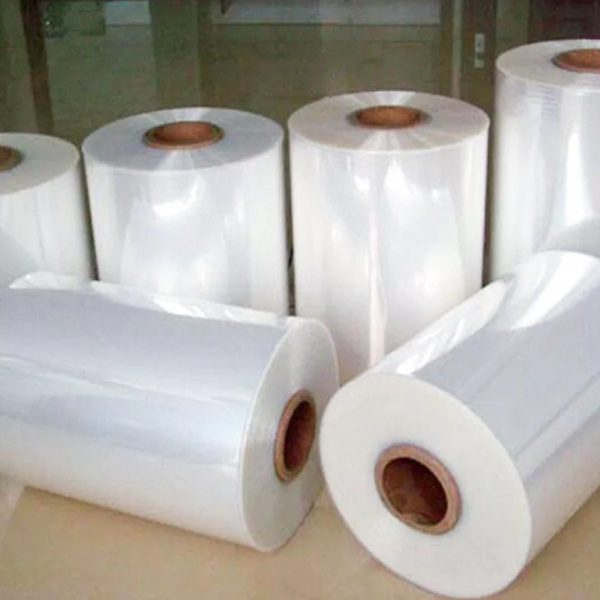
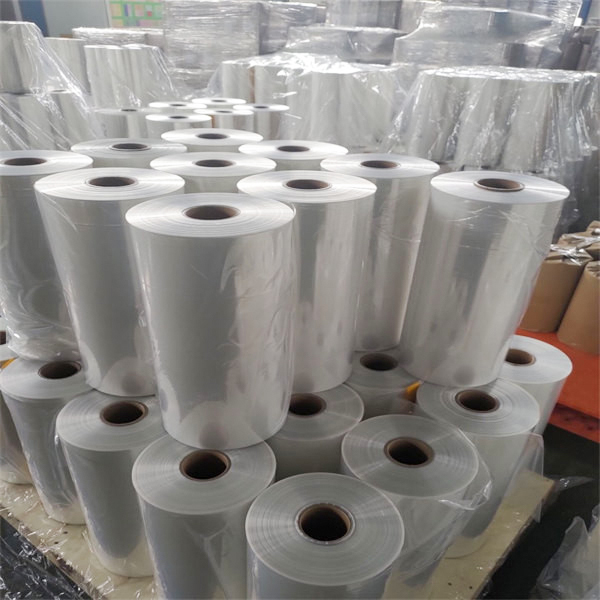
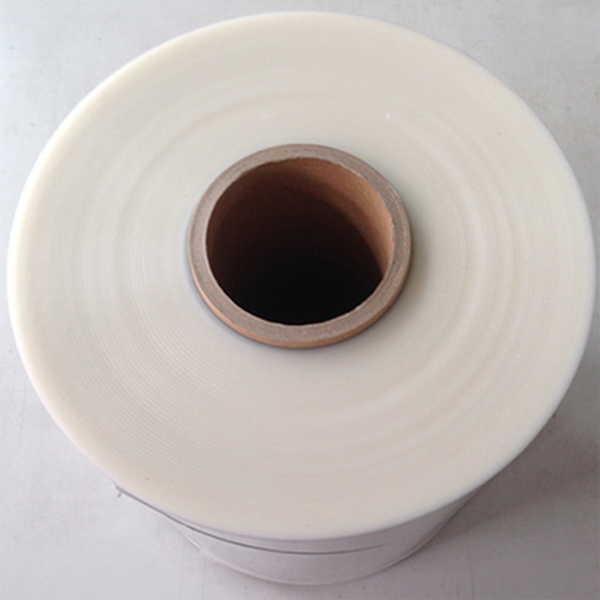
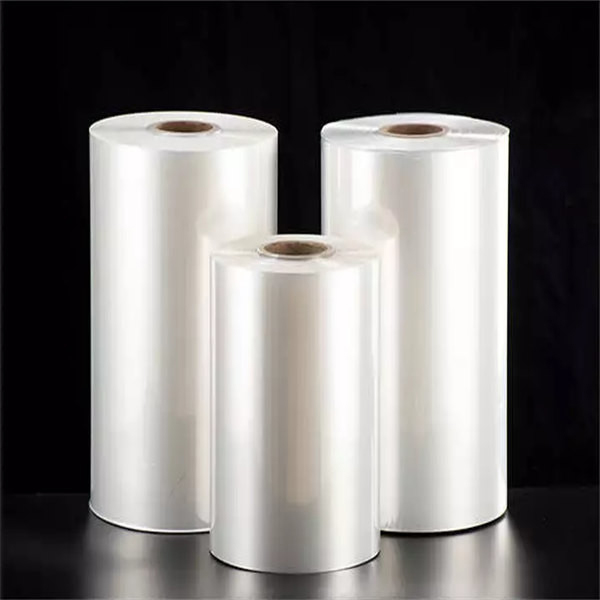
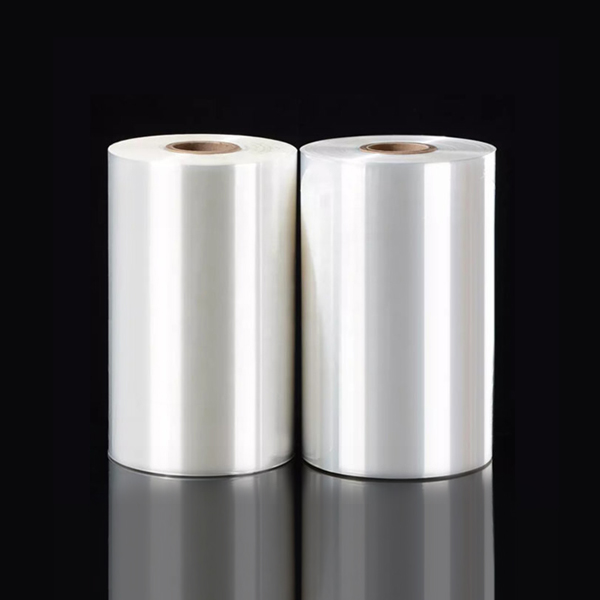
POF (Polyolefin) shrink film is primarily used for high-clarity retail packaging, product bundling, and multi-pack containment. Unlike older PVC films, POF offers superior strength and transparency, making it the industry standard for consumer goods that require visual appeal and secure protection during shipping.
Its versatility allows it to be used in both manual L-bar sealers and high-speed automatic shrink tunnels. Common applications include wrapping software boxes, cosmetic kits, food trays, and promotional multi-packs like water bottles or canned beverages. The film shrinks uniformly when heated, creating a tight, tamper-evident seal that protects products from dust, moisture, and handling damage.
Key Industries and Specific Applications
POF shrink film has replaced PVC in many sectors due to its safety profile and performance. Its usage spans across various industries where presentation and protection are critical.
Retail and Consumer Goods
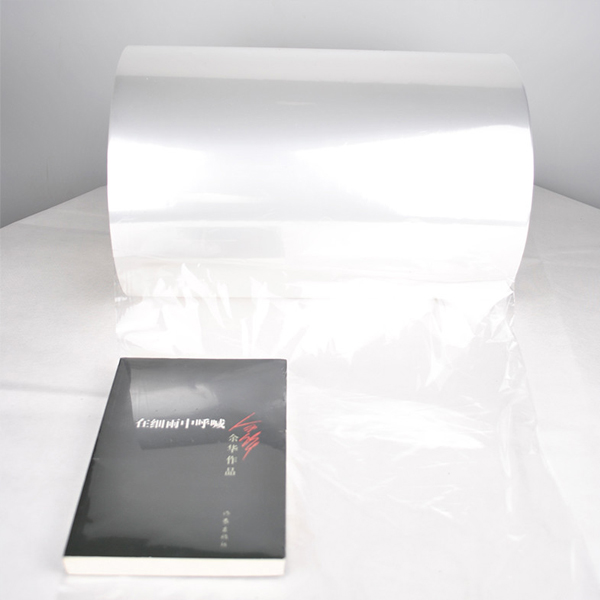
In retail, clarity is king. POF film provides a glass-like finish that enhances product visibility without yellowing over time. It is extensively used for:
- CDs, DVDs, and software boxes
- Cosmetics and perfume gift sets
- Stationery and office supplies
- Toy packaging and board games
Food and Beverage Packaging
POF is FDA-compliant for indirect food contact, making it safe for wrapping food trays, bakery items, and beverage multi-packs. Its ability to conform tightly to irregular shapes ensures that items remain stable during transport, reducing the risk of breakage.
Industrial and Promotional Bundling
For "buy one, get one" promotions or bulk sales, POF film is ideal for bundling multiple units together. It replaces cardboard trays in many cases, reducing material costs by up to 30% while maintaining package integrity.
POF vs. PVC: Why Choose Polyolefin?
Understanding the difference between POF and traditional PVC (Polyvinyl Chloride) shrink film is essential for selecting the right material. POF has become the preferred choice for modern packaging lines due to several technical advantages.
| Feature | POF (Polyolefin) | PVC (Polyvinyl Chloride) |
|---|---|---|
| Environmental Impact | Eco-friendly, recyclable, non-toxic | Releases chlorine gas when burned |
| Clarity | High gloss, crystal clear | Good, but can yellow over time |
| Strength | High puncture resistance | Brittle, prone to tearing |
| Shrink Temperature | Lower (approx. 120-150°C) | Higher (approx. 150-180°C) |
| Cost Efficiency | Thinner gauges possible, saving material | Requires thicker gauges for strength |
The lower shrink temperature of POF also means lower energy consumption for heating tunnels, resulting in operational cost savings for manufacturers.
Technical Advantages for Packaging Lines
From an operational standpoint, POF shrink film offers several benefits that improve efficiency on packaging lines. Its consistent shrinkage rate ensures uniform results, reducing the need for manual adjustments.
Durability and Puncture Resistance
POF film is significantly tougher than PVC. It can withstand rough handling during logistics without tearing. This is particularly important for products with sharp corners, such as electronics or boxed hardware, where weaker films might fail.
Seal Integrity
The film produces strong, clean seals that are less likely to split open. This reliability reduces waste caused by rejected packages due to poor sealing. Additionally, POF does not produce harsh odors or smoke during the shrinking process, improving the working environment for operators.
Sustainability and Future Trends
As global regulations tighten on single-use plastics, POF shrink film is positioned as a more sustainable alternative. It is 100% recyclable and does not contain harmful halogens like chlorine. Many brands are switching to POF to meet their corporate sustainability goals and comply with environmental standards in regions like the European Union.
Furthermore, advancements in resin technology allow for thinner gauges (down to 12 microns) without sacrificing strength. This "source reduction" means less plastic is used per package, further reducing the environmental footprint and material costs for businesses.
Recommended Products
Contact Us
Want To Know More?

- E-mail: [email protected]
- Phone: +86-18761594570 ( Miss. Jenny Chen )
- WhatsApp: +86-18761594570
- Address : No. 58-2, Panlongshan Road, Shanguan Town, Jiangyin City, Jiangsu Province, China
Product Categories
Follow Us
Copyright © 2025 by Jiangyin Guanghong Packing Materials Co., Ltd. Rights Reserved.
 POF Shrink Film Manufacturers