


 English
 Español
Looking forward to your message
Our factory was established in 2006
-
 Mobile/Whats app/Wechat: +86-18761594570 ( Miss. Jenny Chen )
-
 E-mail: [email protected]
POF Shrink Film: Specs, Grades & Packaging Guide
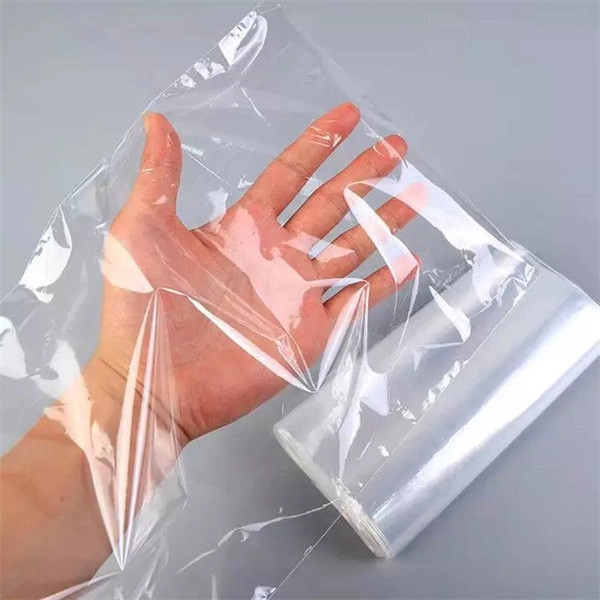
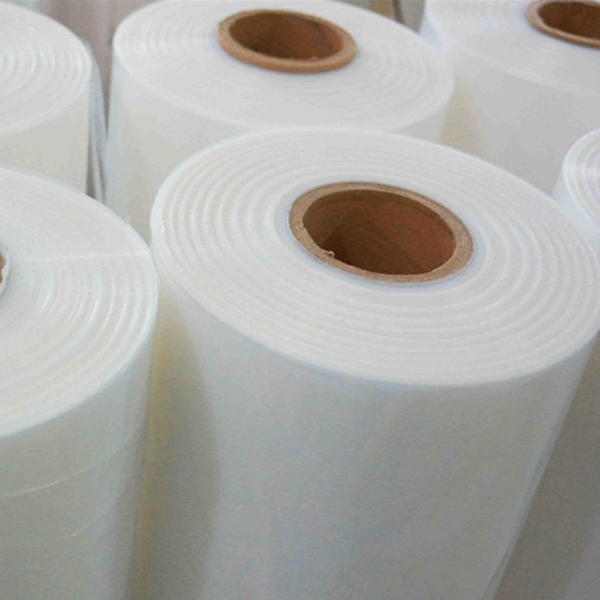
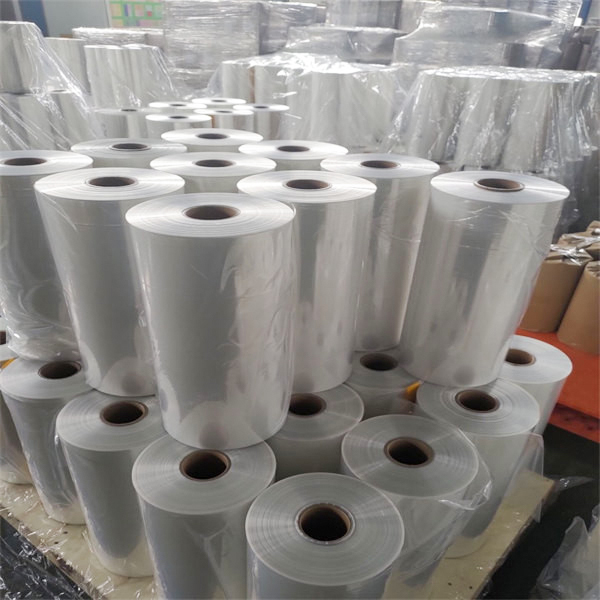
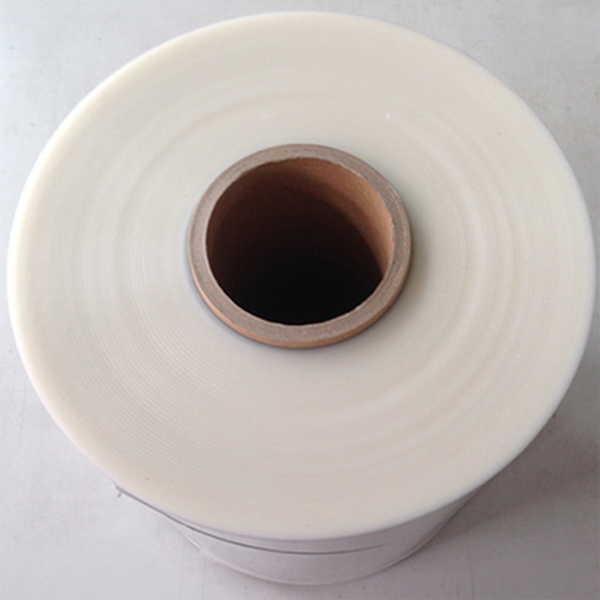
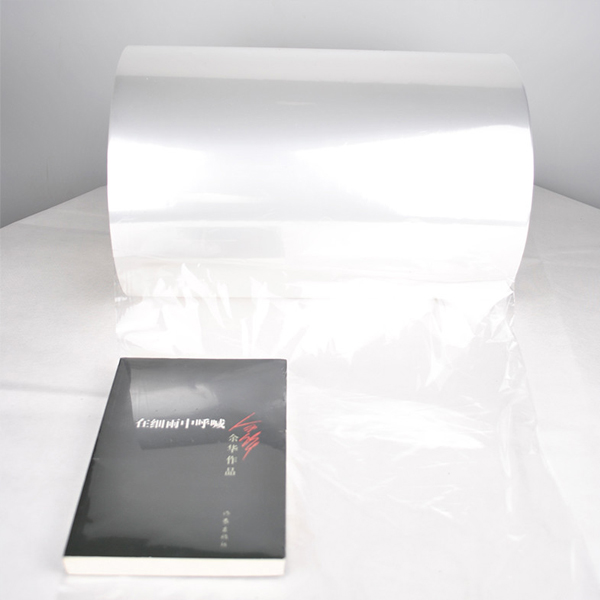
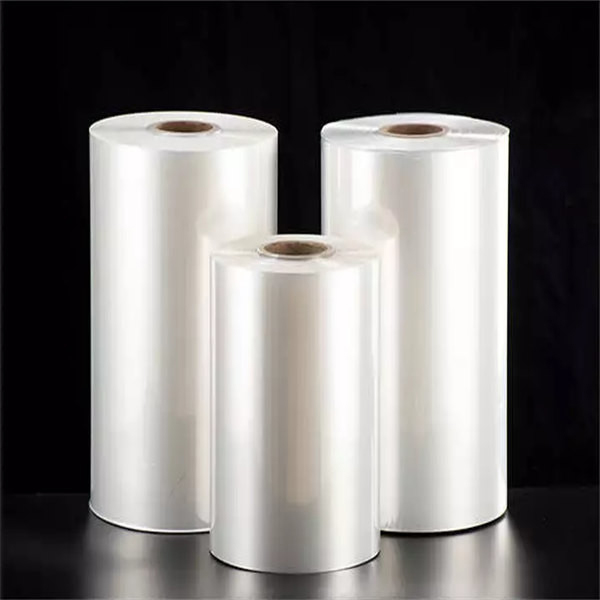
POF shrink film — polyolefin shrink film — is the most widely used flexible packaging material for retail and e-commerce product wrapping worldwide. It shrinks tightly around products when exposed to heat, forming a transparent, tamper-evident seal that protects contents during shipping and presents them cleanly on shelves. If you are selecting a shrink film for product packaging, POF is the right default choice for the vast majority of food, cosmetic, toy, and consumer goods applications — it combines clarity, strength, FDA compliance, and sealing compatibility in a way that PVC and PE shrink films do not.
This guide explains precisely what POF shrink film is, how it differs from alternatives, what specifications to evaluate, and how to match the right film grade to your packaging line and product requirements.
Content
- 1 What POF Shrink Film Is and How It Works
- 2 POF vs. PVC vs. PE Shrink Film: Key Differences
- 3 POF Shrink Film Specifications That Actually Matter
- 4 POF Film Formats: Centerfold, Single-Wound, and Tubing
- 5 Specialty POF Film Grades for Specific Applications
- 6 Shrink Tunnel Setup and Its Effect on Film Performance
- 7 Common Shrink Wrap Defects and How to Resolve Them
- 8 Food Safety and Regulatory Compliance for POF Film
- 9 Sustainability Considerations for POF Shrink Film
- 10 How to Select the Right POF Film for Your Application
What POF Shrink Film Is and How It Works
POF stands for polyolefin, which refers to a family of polymers including polyethylene (PE) and polypropylene (PP). POF shrink film is a multilayer coextruded film — typically three to five layers — where each layer is engineered to contribute a specific property: sealing performance, shrink ratio, clarity, or puncture resistance. The outer layers are usually polypropylene for stiffness and gloss; the inner layers are polyethylene-based for sealability and flexibility.
The shrink behavior is built into the film during manufacturing through a biaxial orientation process. The film is stretched simultaneously in both the machine direction (MD) and the transverse direction (TD) while heated, then cooled under tension. This stretching introduces molecular stress into the polymer chains. When the film is later reheated in a shrink tunnel, those polymer chains relax and the film contracts — typically 30–80% in both directions depending on the grade — conforming tightly to the product surface.
Shrink ratio and shrink force are two different properties. Shrink ratio describes how much the film contracts. Shrink force describes how hard it pulls as it contracts. High shrink force on fragile products can cause deformation — so matching shrink force to product rigidity is as important as matching shrink ratio to product geometry.
POF vs. PVC vs. PE Shrink Film: Key Differences
Three shrink film materials dominate the market. Understanding their differences prevents misapplication and helps justify POF's price premium over PVC and PE alternatives.
| Property | POF (Polyolefin) | PVC (Polyvinyl Chloride) | PE (Polyethylene) |
|---|---|---|---|
| Clarity | Excellent (>90% light transmission) | Good | Hazy to moderate |
| FDA Food Contact | Yes | Restricted (additives) | Yes (most grades) |
| Burn Byproducts | CO₂ and water only | Hydrochloric acid (HCl) | CO₂ and water |
| Seal Strength | High, consistent | Moderate | Good at thicker gauges |
| Shrink Range | 30–80% (biaxial) | 20–60% | 15–40% (mostly uniaxial) |
| Tunnel Temperature | 120–200°C | 100–160°C | 120–180°C |
| Odor During Sealing | Minimal | Noticeable chlorine odor | Minimal |
| Relative Cost | Medium–High | Low–Medium | Low |
PVC's low cost made it the dominant shrink film for decades, but its HCl combustion byproduct has led to restrictions or bans in many countries and industries. Many European retailers now prohibit PVC packaging outright. POF has effectively replaced PVC for retail-facing product wrapping in most developed markets, while PE remains the material of choice for heavy bundling applications like water bottle multipacks where clarity is secondary to cost and load strength.
POF Shrink Film Specifications That Actually Matter
Film datasheets contain many numbers. These are the specifications that directly affect your packaging outcome and machine compatibility:
Gauge (Thickness)
POF film is available from 12 microns (0.48 mil) to 40 microns (1.57 mil), with 15–19 micron being the most common range for retail consumer goods. Thinner films reduce material cost and shrink faster but have lower puncture resistance and seal strength. Thicker films are required for heavy or sharp-edged products.
- 12–15 micron: Light products, cosmetics, software boxes, cards — high-speed lines, cost-sensitive applications
- 15–19 micron: Standard retail products, food trays, books, toys — the broadest application range
- 19–25 micron: Heavier or irregular products, hardware, industrial goods with edges
- 25–40 micron: Multi-pack bundling, products requiring significant puncture resistance
Shrink Ratio (MD and TD)
Shrink ratio is measured separately in the machine direction (MD, along the film roll) and the transverse direction (TD, across the width). Balanced shrink — where MD and TD ratios are close — produces a wrinkle-free finish on rectangular products. Unbalanced shrink suits tubular or cylindrical products where most contraction is needed in one direction.
Standard centerfold POF films offer MD shrink of 40–70% and TD shrink of 35–65% at 130°C. Request shrink curves (shrink % vs. temperature) from your supplier — they reveal how forgiving the film is across tunnel temperature variations, which matters for line speed consistency.
Seal Initiation Temperature
This is the minimum sealing bar temperature at which the film forms a reliable seal. Most POF films seal between 100–140°C on the sealing bar. Films with lower seal initiation temperatures allow faster machine cycling because the sealing bar needs less dwell time to close and reopen. This matters significantly on high-speed L-bar or side-seal machines running above 25 packs per minute.
Coefficient of Friction (COF)
COF determines how smoothly the film feeds through the packaging machine and how easily wrapped products convey through the shrink tunnel. Low COF (0.1–0.2) is preferred for high-speed automated lines. Films with anti-fog or anti-static additives often have modified COF values — confirm compatibility with your machine manufacturer's specifications before switching film grades.
POF Film Formats: Centerfold, Single-Wound, and Tubing
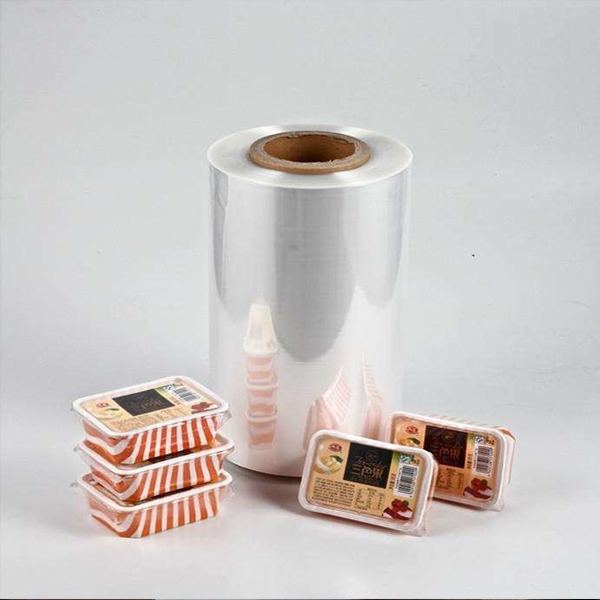
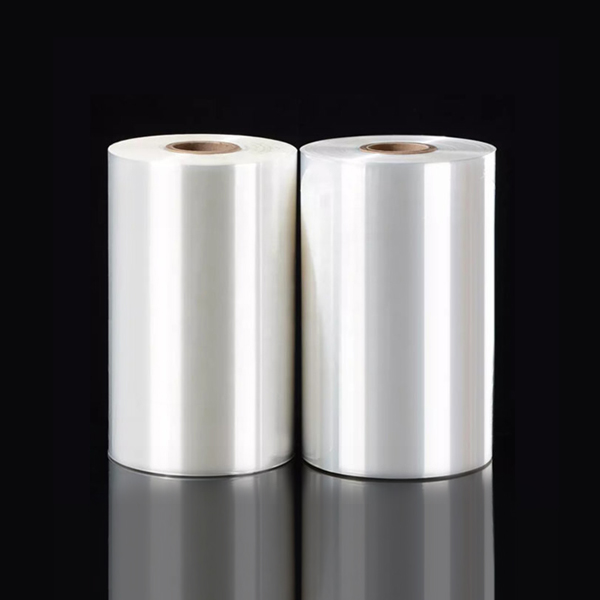
POF shrink film is supplied in three physical formats. The format required is determined entirely by your packaging machine type — switching machine types to access a different film format is rarely practical.
| Format | Description | Machine Type | Best For |
|---|---|---|---|
| Centerfold | Single flat roll folded along the center; product inserts into the open side | L-bar sealer | Retail products, varied sizes, low-medium speed |
| Single-Wound (Flat) | Two separate flat rolls; film is formed around the product and sealed on all sides | Side-seal or back-seal machine | High-speed automated lines, uniform product |
| Tubing | Pre-formed tube; product is inserted and both ends are sealed | Sleeve or band application | Cylindrical products, bottles, cans |
Centerfold film is the dominant format for semi-automatic and manual L-bar operations because one roll serves as both the top and bottom film, simplifying changeovers. For fully automated flow-wrap or side-seal machines running above 40 packs per minute, single-wound film on dedicated top and bottom unwind positions is standard.
Specialty POF Film Grades for Specific Applications
Standard POF film is optimized for clarity and shrink performance on dry goods. Several specialty grades extend POF's usefulness into more demanding applications:
Anti-Fog POF Film
Anti-fog film contains surface additives that prevent condensation droplets from forming on the inner film surface when packaging cold or refrigerated products. Without anti-fog treatment, moisture from chilled food products condenses on the inside of the film, obscuring the product and making it appear spoiled to consumers. Anti-fog POF is required for fresh produce, chilled ready meals, and any refrigerated retail-wrapped product. Anti-fog grades typically carry a 15–25% price premium over standard POF.
Perforated POF Film
Micro-perforated POF film has laser or mechanically produced pinhole perforations that allow air to escape from the package during shrinking. Without perforations, air trapped inside the sealed package creates pressure that resists shrink and can cause the film to rupture or seal to fail on irregular or concave products. Perforations also allow moisture vapor to escape from fresh food products, extending shelf life by reducing internal humidity buildup.
Perforation patterns are specified by hole size (typically 0.3–1.0 mm diameter) and density (holes per cm²). Coarser perforations allow faster air release for bulky products; finer perforations maintain better barrier while still releasing pressure.
High-Shrink POF Film
Standard POF achieves 40–60% shrink at typical tunnel temperatures. High-shrink grades achieve 70–80% shrink and are designed for highly irregular product geometries — oddly shaped gift sets, products with deep recesses, or multi-item bundles where the film must conform tightly across a complex surface profile. High-shrink grades require precise tunnel temperature control because overheating causes the film to over-shrink, creating dog-ear stress points at product corners.
Printable POF Film
Surface-treated POF film accepts flexographic, gravure, or digital printing to carry branding, barcodes, or product information directly on the shrink wrap. The film surface must be corona-treated to achieve a dyne level of 38–42 dynes/cm for adequate ink adhesion. Printed shrink film eliminates the need for a separate label on many products and is widely used for multipacks and promotional packaging.
Shrink Tunnel Setup and Its Effect on Film Performance
The shrink tunnel — the heated chamber that activates the film's shrink — is the other half of the POF packaging system. Even the best film grade will produce poor results if the tunnel is misconfigured. The three controllable tunnel variables are temperature, belt speed (dwell time), and airflow pattern.
- Temperature too low: Film doesn't fully shrink, leaving fish-eyes (unshrunk patches), loose wrap, or visible wrinkles — especially at the corners of rectangular products
- Temperature too high: Film over-shrinks at edges before the body has time to conform, creating burn holes, dog-ear stress marks at corners, or white stress marks from excessive shrink tension
- Dwell time too short (belt speed too fast): Insufficient heat transfer, especially for thick products with high thermal mass that absorb heat from the film and tunnel air
- Uneven airflow: Hot spots or cold spots across the tunnel cross-section produce inconsistent shrink — one side of the package shrinks more than the other, causing the package to skew or the film to pull unevenly across the product
Most POF films perform optimally in shrink tunnels set between 150–190°C with belt speeds between 6–15 meters per minute, but the correct combination depends on product size, product thermal mass, and the specific film grade. Always run test packs at multiple temperature and speed combinations when qualifying a new film or new product size, not just a single setting.
Tunnel type also matters. Hot-air tunnels are standard and compatible with all POF grades. Quartz infrared tunnels heat the film more directly and work well for heat-sensitive products where tunnel air temperature must be kept lower — the film absorbs radiant energy selectively without overheating the product inside.
Common Shrink Wrap Defects and How to Resolve Them
Most shrink wrapping defects have identifiable root causes. The following covers the most common issues and their corrective actions:
| Defect | Likely Cause | Corrective Action |
|---|---|---|
| Fish-eye (unshrunk patches) | Tunnel temp too low or dwell time too short | Increase tunnel temperature or reduce belt speed |
| Burn holes or punctures | Tunnel temp too high, or film too thin for product | Lower tunnel temp; upgrade to thicker gauge film |
| Dog-ears at corners | Film shrinks at edges before body; high shrink force on corner | Lower temp, reduce film overhang; switch to high-shrink grade |
| Seal failure (open seam) | Sealing bar temp too low, dwell too short, or film contamination | Increase seal bar temp or dwell time; check film for oil contamination |
| Hazy or milky finish | Rapid cooling in tunnel, or film over-shrunk causing stress whitening | Lower tunnel temp; ensure gradual cooling at tunnel exit |
| Film sticking to sealing bar | Sealing bar Teflon coating worn, or bar temp too high | Replace Teflon tape; reduce seal bar temperature |
| Wrinkles on flat panel of package | Film wrap is too loose before entering tunnel; uneven airflow | Reduce film cut length; check tunnel air nozzle alignment |
Food Safety and Regulatory Compliance for POF Film
POF shrink film used in direct or indirect food contact applications must comply with food safety regulations that govern what additives and base resins are permissible at the quantities used in the film formulation.
- United States: FDA 21 CFR 177.1520 covers polyolefin polymers for food contact. Compliant POF films will state FDA compliance on their technical data sheet.
- European Union: EU Regulation 10/2011 on plastic materials and articles in contact with food governs POF films sold in Europe. Suppliers should provide a Declaration of Compliance (DoC) on request.
- China: GB 9685 and GB 4806.6 govern food contact plastics. POF film for the Chinese market should carry GB compliance documentation.
Always request a food contact compliance declaration from the film supplier before using any POF grade for direct food wrapping — the base resin may be compliant but specific additive packages (slip agents, anti-static, anti-fog) may not be approved for all food types or all contact temperatures. This distinction between base resin compliance and full formulation compliance is often overlooked.
Sustainability Considerations for POF Shrink Film
Plastic packaging sustainability is under increasing regulatory and consumer pressure globally. POF shrink film has a more favorable environmental profile than PVC, but there are still practical options to reduce its environmental impact:
- Source reduction: Downgauging from 19 to 15 micron where product fragility allows reduces material use by approximately 21% per pack. This is the highest-impact single change in most operations.
- Recyclability: POF film is classified as a polyolefin (#4 LDPE or #2 HDPE) and is technically recyclable through flexible film collection streams where they exist. However, contamination and mixed-polymer collection limits practical recycling rates in most regions.
- Recycled content POF: Post-consumer recycled (PCR) content POF films are now available from several manufacturers, typically at 30–50% recycled content while maintaining functional performance for non-food applications.
- Bio-based POF: Bio-polyolefin films derived from sugarcane ethanol are commercially available. They are chemically identical to fossil-derived POF and fully compatible with existing machinery, but carry a significant cost premium of 30–60% over standard film.
- Film elimination: For some product categories, POF shrink film can be replaced with paperboard banding, paper shrink (plant fiber-based), or eliminating the outer wrap entirely — the most impactful reduction is no film at all where product protection requirements allow it.
The EU Packaging and Packaging Waste Regulation (PPWR), expected to come into full effect progressively through 2030, will impose minimum recycled content requirements and recyclability standards on all packaging materials including shrink films. Packaging engineers specifying POF films today should be evaluating material choices against the PPWR recycled content targets of 30–35% for plastic films by 2030.
How to Select the Right POF Film for Your Application
Reducing the selection to a practical decision process: answer these questions in order and the right film grade becomes clear.
- Is the product food or non-food? Food contact requires FDA/EU 10/2011 compliant film. Request a declaration of compliance before sampling.
- Will the product be refrigerated or display cold? If yes, specify anti-fog grade.
- What is the product's heaviest weight and most irregular shape? These determine minimum gauge and whether a high-shrink grade is needed.
- What is your packaging machine type? L-bar sealer → centerfold film. Side-seal or back-seal machine → single-wound. This is non-negotiable.
- What is your throughput target in packs per minute? Above 40 ppm typically requires low-COF film and a minimum 15-micron gauge for reliable high-speed sealing.
- Does the packaging carry printed branding directly on the film? If yes, specify corona-treated printable grade and confirm dyne level with your printer.
- What sustainability requirements apply? Specify recycled content requirements or bio-based options where required by retailer policy or upcoming regulation.
Once you have shortlisted film grades against these criteria, always run production trials before committing to full-volume orders. A trial run of 2–3 roll samples through your actual machine and shrink tunnel, on your actual product, is the only reliable way to confirm that lab specifications translate to production performance. Film behavior in real production conditions — including variations in ambient temperature, product temperature, and machine speed — can differ meaningfully from datasheet values measured under controlled laboratory conditions.
Recommended Products
Contact Us
Want To Know More?

- E-mail: [email protected]
- Phone: +86-18761594570 ( Miss. Jenny Chen )
- WhatsApp: +86-18761594570
- Address : No. 58-2, Panlongshan Road, Shanguan Town, Jiangyin City, Jiangsu Province, China
Product Categories
Follow Us
Copyright © 2025 by Jiangyin Guanghong Packing Materials Co., Ltd. Rights Reserved.
 POF Shrink Film Manufacturers